
Effective Teaching News, Commentary and Analysis
The Australian
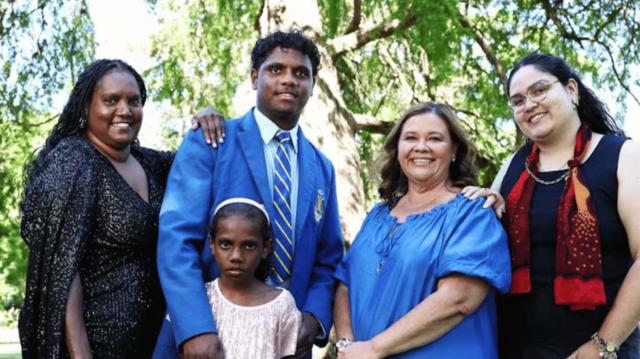
Cape Yorks Partnership’s radical plan to save all Australians from welfare trap and make education a legal right
Noel Pearson’s Cape York Partnership has unveiled a bold plan to break the welfare trap for Australia’s most disadvantaged, regardless of race. The agenda focuses on making quality education a legal right, fostering personal responsibility, and creating structural solutions to close the opportunity gap.
The Educator Australia
Turning assessment into a catalyst for literacy growth
Thoughtful assessment, when paired with regular feedback and progress tracking, can drive literacy growth and foster student agency. The article highlights the importance of using data to inform teaching decisions.

Education Week
How Education Leaders Can Build a Better Space for Collaborative Learnings
Collaborative learning spaces improve professional development by fostering relationships, sharing ideas and creating environments where educators can engage in meaningful, sustained professional growth.

The Fordham Institute
We have lost the plot on the science of reading
While the Science of Reading focuses on explicit phonics and decoding, the article warns against neglecting the joy of reading. It calls for curricula that balance mechanics with meaningful engagement and rich texts.
Teacher Magazine
Education research to practice: Learning from international large-scale assessments
International assessments like TIMSS and PIRLS provide valuable data on national trends, guiding education policy and classroom practice. Teachers are encouraged to use resources to apply these insights effectively.
Language Magazine
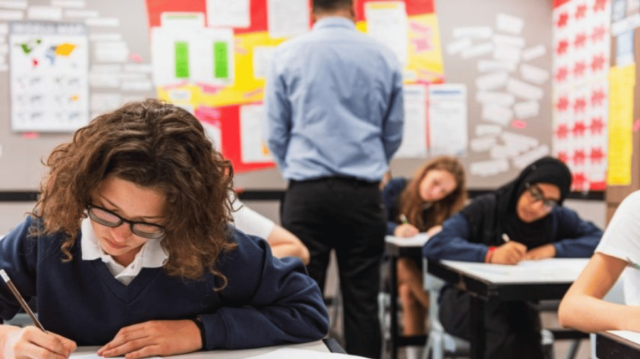
Mastering the Science and Art of Teaching Reading
A Master’s in Literacy Education or Teaching Reading enhances teaching quality and professional growth, focusing on explicit instruction in foundational skills like phonics, vocabulary, and comprehension.

The Educator Australia
National push to improve how teachers teach
AERO’s research highlights that impactful professional learning includes strong relationships, goal-setting, feedback, and sustained engagement, rather than one-off sessions, to improve teaching quality in schools.

National Indigenous Times
Aboriginal knowledge is reshaping climate education in NSW schools
Embedding Aboriginal ecological knowledge into climate education improves student engagement and understanding. Students work with Aboriginal knowledge holders to learn about environmental change and deepen connections to place.

NSW Government
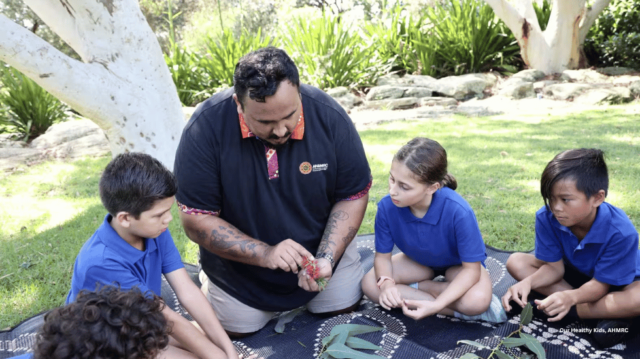
Aboriginal-led schools program teaches healthy habits for life
The ‘Our Healthy Kids’, initiative led by Aboriginal educators, teaches healthy habits through culturally safe programs aligned with the PDHPE curriculum, benefiting over 5,000 students in NSW.
The Educator Online
Radical new approach to boost teaching quality
The RiTE project embeds teaching students in classrooms from week one of their course, providing real-world experience and mentoring to ensure they graduate school-ready and improve teacher retention.

The Australian
Back to basics to tackle classroom disadvantage
Returning to explicit teaching methods and a knowledge-rich curriculum can address educational disadvantage. The article warns against trendy practices that distract from core instruction and maximise class time.

Education Week
How teachers can take care of themselves
Teachers are encouraged to prioritise self-care by setting boundaries, getting enough rest, staying connected with colleagues, and maintaining relationships with family to improve well-being and effectiveness.

World Bank Group
New report offers evidence based solutions to address global literacy crisis among children
A World Bank report highlights that 70% of children in low-income countries cannot read age-appropriate text. It calls for explicit, systematic teaching in key reading skills to address the global literacy crisis.
K-12 Dive
10 ways to strengthen family-school partnershsips and support learning
Strengthening family-school partnerships can support academic and social-emotional learning. Strategies include clear communication, welcoming families, offering resources, and aligning support with students’ needs.

John Menadue
Australia has amongst the hightest teacher shortages in the OECD
Australia faces one of the worst teacher shortages in the OECD, with 42% of lower-secondary teachers working in understaffed schools, nearly double the OECD average, highlighting a critical need for action.

The Educator Online
Hands Off Lesson Planning, Teachers Warn
The co-principalship model is gaining traction in Australia, helping to reduce workload, improve work-life balance and make school leadership less isolating.

The Educator Australia
The growing trend helping Australia’s school principals thrive
The co-principalship model is gaining traction in Australia, helping to reduce workload, improve work-life balance and make school leadership less isolating.
Education Week
How the ‘Science of Reading’ Can Support English Learners
Systematic, explicit instruction in sounds and language structure can significantly support English learners by bridging skills from their home language to English.
Taylor and Francis Online
Using music for other subjects in primary schools: empirical survey findings from teachers and a systematic scoping review
Practical tools and data-driven insights can help bridge the gap between home and school, strengthening family engagement to support student literacy success.
e-School News
Strengthening family engagement to support the science of reading
Practical tools and data-driven insights can help bridge the gap between home and school, strengthening family engagement to support student literacy success.

The Australian
Alice Springs high school ‘stops suspensions, improves behaviour’
Ending suspensions for non-violent infringements has ‘stimulated respect and a shift in the way teachers and families and students interact’, says principal Joanne Alford.
The Conversation
Despite improvements to early education, more children are starting school developmentally behind. What’s going on?
Despite better access to early education, more Australian children are starting school developmentally behind, raising questions about the sector’s impact and quality.
EduResearch Matters
Change doesn’t happen by doing more of the same
Plans to form a new Teaching and Learning Commission aim to tackle inequity through standardisation, focusing on explicit instruction and classroom management.

Teacher Magazine
Building instructional capacity – implementation steps and keeping momentum
A WA school’s success shows how coaching, codified practices and visible leadership systematically build instructional capacity and lift student outcomes in literacy and numeracy.
Australian Education Union
Campaigning for equity in education
The AEU says equity requires full funding for public education, targeted to disadvantaged students, to close gaps and ensure no child is left behind.

John Menadue
New NAPLAN results demand better deal for public schools
New NAPLAN results reveal a massive achievement gap between advantaged and disadvantaged students, highlighting the chronic underfunding of Australia’s public school system.
ABC Radio National
Are the reading wars really over?
With explicit instruction now official policy nationwide, experts discuss how this approach will finally solve Australia’s widespread student reading proficiency issues.
WA.gov.au
WA schools advancing reconciliation with local community projects
WA’s PALS program is helping students learn more about local Aboriginal culture and history through community partnerships and hands-on projects.
The Sector
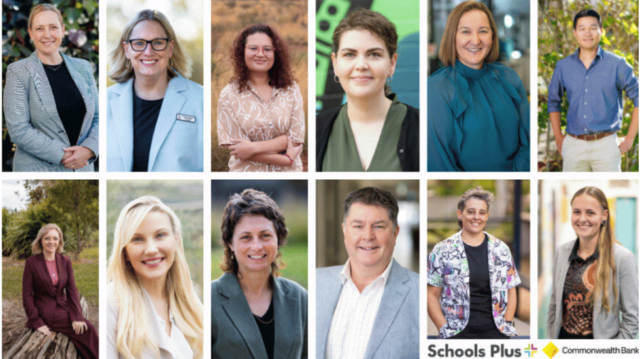
Shaping tomorrow’s classrooms: Celebrating Australia’s most transformative educators
Twelve inspirational educators have been recognised at the 2025 Schools Plus Teaching Awards for their powerful contributions to student learning and wellbeing.
Education Week
How Principals Can Help Teachers in a New School Year
Teachers want more less administration so they can be instructional leaders. Principals can help by protecting their time, backing their decisions and genuinely listening to their needs.
The Conversation
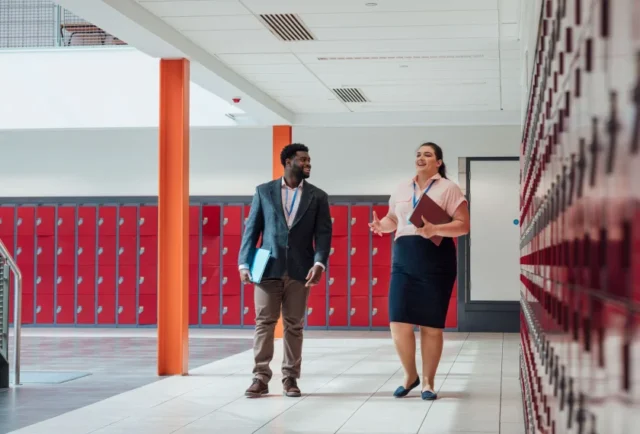
NSW will remove 65,000 years of Aboriginal history from its years 7–10 syllabus. It’s a step backwards for education
The NSW Education Standards Authority will be removing the teaching of the Aboriginal past prior to European arrival from the Year 7–10 syllabus as of 2027.

Pearls and Irritations
Australia’s school system: losing common ground
Australia’s school system stands out in comparison with OECD countries but not in a good way. It now works to increase the concentration of disadvantaged students in disadvantaged schools at a rate second to only one other country. The time has come for an urgent reality check.

Education HQ
School transformation as easy as A, B, C if we follow the evidence
This op-ed examines the impact of explicit teaching on transforming schools. Including case studies and strategies that school leaders can prioritise when seeking to implement change management processes that aim to lift student achievement schoolwide.

The Conversation
Fostering a love of stories in a child’s first years is key to lifelong reading
Most reading scientists and teachers agree direct instruction in letter-sound relationships (phonics) is necessary for children to become readers. Skilled reading also involves comprehending the meaning of words. This article expands on how to balance a higher focus on phonics while fostering joy for reading.

The Educator
Inclusive teaching boosts student engagement – study
A new study has shown significant improvements in student engagement when teachers adopt evidence-based strategies to support students with learning difficulties.

Border Mail
How ‘explicit teaching’ has lifted Border school to new heights
A shift in teaching methods has helped a Border school achieve impressive results in a national program.
The West Australian
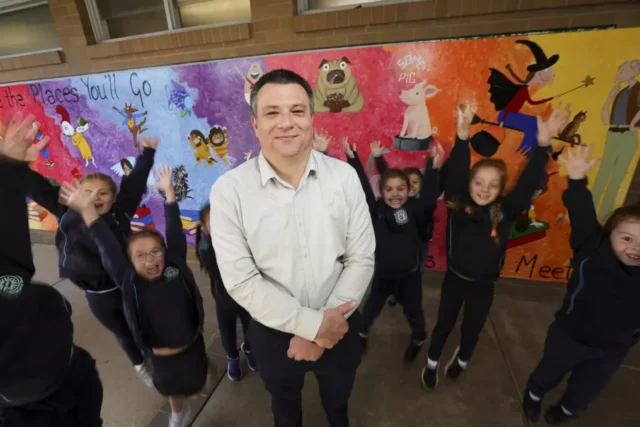
WA inks $785m deal to bring schools up to full Gonski
West Australian school students will have early phonics and numeracy checks, catch-up tutoring and greater support at schools under a $785 million funding deal to cover the next four years.
Teacher Magazine
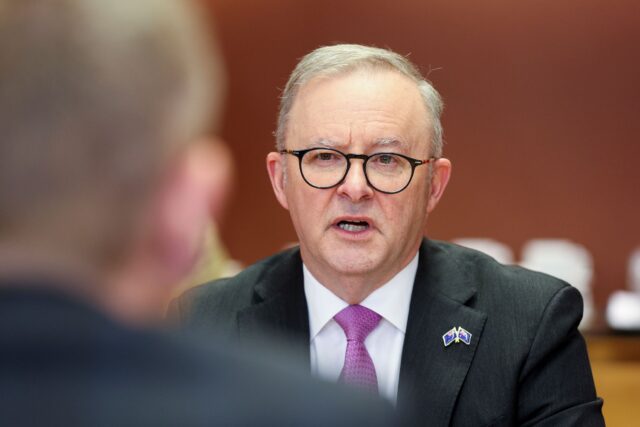
A new vision for instruction
An article discussing the Melbourne Archdiocese Catholic Schools’ (MACS) ‘Vision for Instruction (MACS 2024a)’ outlining the goals, methods and processes for embedding a refreshed and system-wide approach to achieving teaching and learning excellence.
EducationHQ
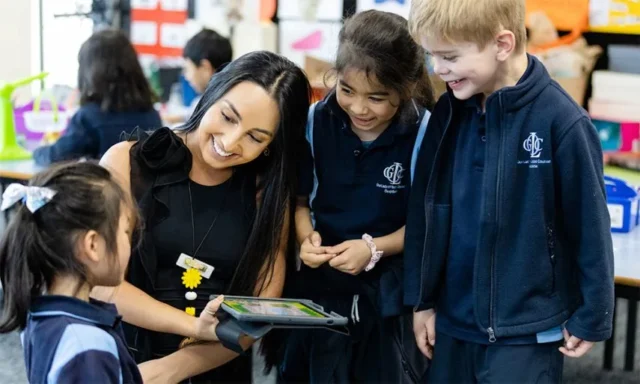
Staged rollout win: principal’s drive to embed explicit instruction pays dividends
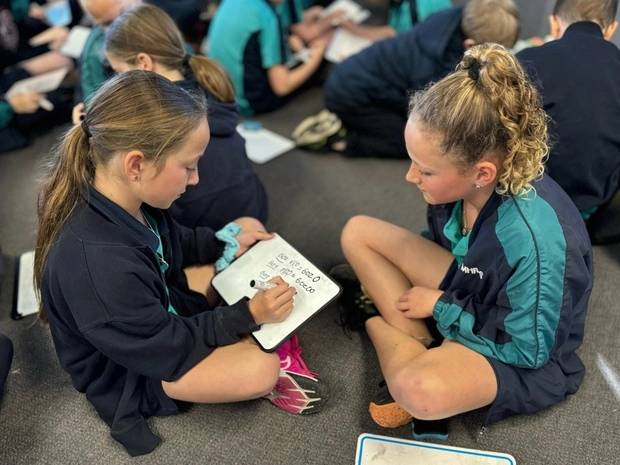
Lodged on the staffroom wall at Mount Hutton Public School are the words ‘every child matters every day’. It’s an ethos that principal Trinity Hook says has driven the Newcastle primary school’s recent improvement agenda to make explicit instruction the bedrock of all teachers’ practice.
EducationHQ
Schools not nailing Tier 1 literacy instruction are under strain: study
A new study has indicated primary schools are unaware of the critical role high quality whole-class instruction plays in reducing the number of children who fall behind in reading, with many buckling under the strain of delivering Tier 2 interventions.

ABC News
How a change in teaching styles transformed life and NAPLAN scores at Upwey South Primary School
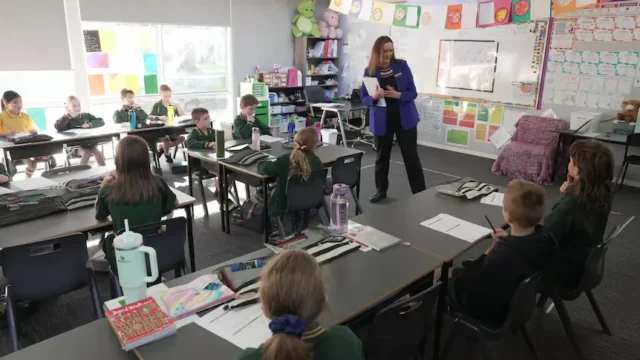
This school’s shift towards ‘structured literacy’ which is a combination of phonics (sounding out words) and explicit, teacher-led instruction, which evidence shows works for a larger number of kids, led to a surge in their NAPLAN results.
ABC News
VIDEO: NAPLAN results show one in three students not meeting minimum standards
The latest NAPLAN results show little improvement across Australia’s schools with one in three students not yet meeting minimum standards.

ABC News
VIDEO: NSW Education Minister says NAPLAN literacy results ‘concerning’
Prue Carr says the introduction of a new literacy curriculum in the next few years will be key to improving literacy outcomes.

ABC News
VIDEO: ‘We need to do better’, PM reacts to NAPLAN results
‘We need to do better’, Prime Minister Anthony Albanese reacts to NAPLAN results showing a lack of improvement nation wide.

ABC News
VIDEO: One in three students failing to meet English and maths standards
A third of Australia’s school students are failing to meet basic literacy and numeracy benchmarks according to alarming new NAPLAN results.

ABC News
NAPLAN results reveal one in three students not meeting basic literacy and numeracy expectations
National NAPLAN scores show one in three Australian school students is performing below literacy and numeracy benchmarks. Almost 1.3 million students in Year 3, 5, 7 and 9 sat the annual test earlier this year.
SmartBrief
The science of reading: a formula to great literary instruction
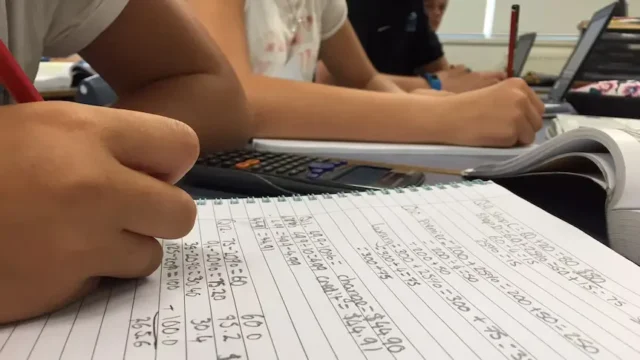
Explicit reading instruction using the science of reading can make an enormous difference in students’ ability to read, Kymyona Burk writes.

The Saturday Paper
Making meaning of the reading wars
OP-ED: Amid sliding literacy rates, Australian governments are finally picking a side in a longstanding, global war over how children should learn to read.
ABC News
Teenage dropouts a key target in major funding agreement for Australian schools
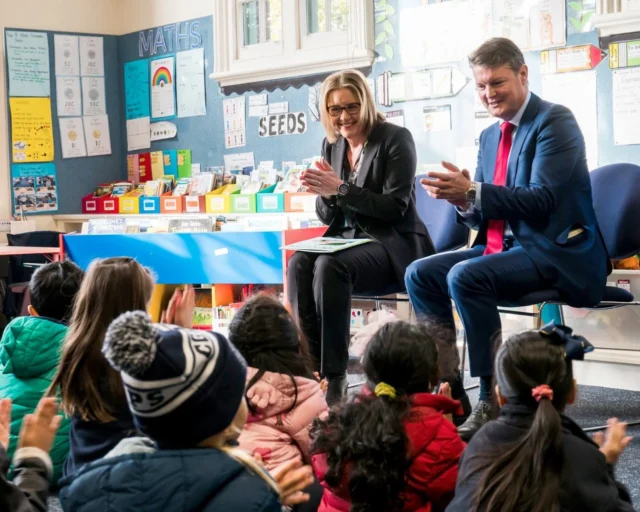
A major education agreement is being signed in an attempt to improve the quality of Australia’s schooling system across public and private institutions. It will set out key funding priorities targeting better student performance and an increase in the number of kids completing high school across the country.
ACER
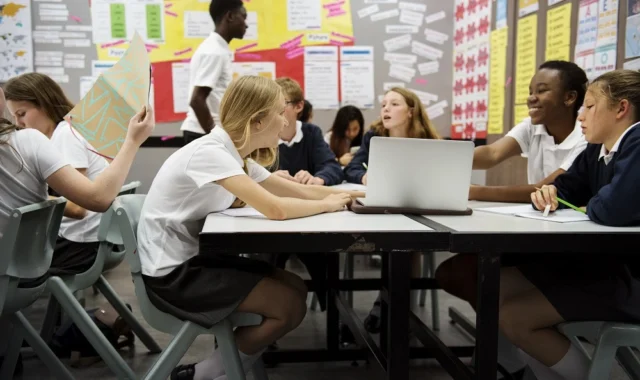
Education expert responds to curriculum changes
Australian Council for Educational Research (ACER) Chief Executive Geoff Masters’ 2020 review of the New South Wales (NSW) curriculum informed new syllabuses released this week. This is the transcript of his conversation with ABC Radio Sydney’s Sarah Macdonald about his review and what must accompany a good curriculum to improve student learning.
The Australian
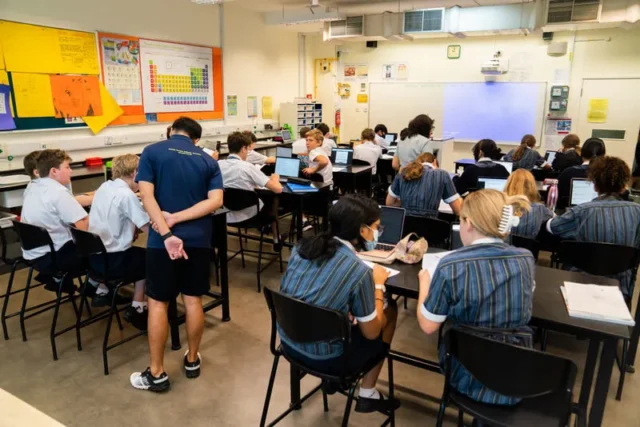
State’s ‘old school’ switch offers a template for the nation
The new primary school curriculum for NSW, launched on Wednesday, is a clear and concise document that focuses on phonics and facts, erasing the gobbledygook and feel-good theories that still clutter curriculum documents across the nation. NSW is returning to the old-school method of teaching children vital facts, in sequence. It is based on cutting-edge research that proves children learn best when they are explicitly taught facts and given practice to embed them in long-term memory.
The Australian
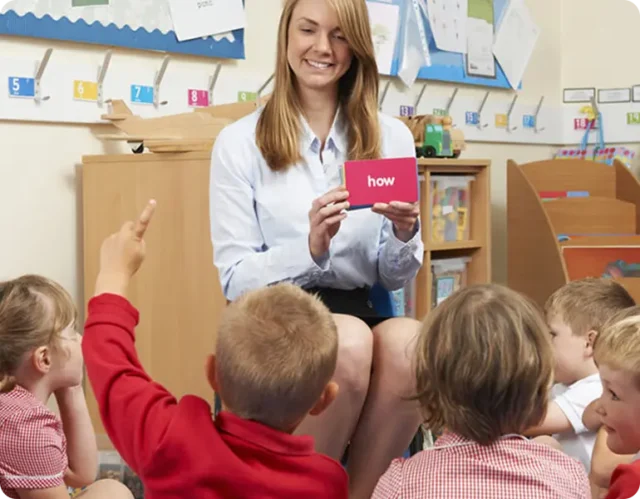
NSW Education Minister counts on national numeracy check for Year 1 students
A national numeracy check for Year 1 students is being championed by NSW Education Minister Prue Car, who has demanded that universities ‘lift their game’ in training new teachers.

The North West Star
More students to thrive in move to explicit teaching
Australia’s largest school system has been placed at the vanguard of a national shift to explicit teaching in a bid to reverse sliding student results.
The Guardian
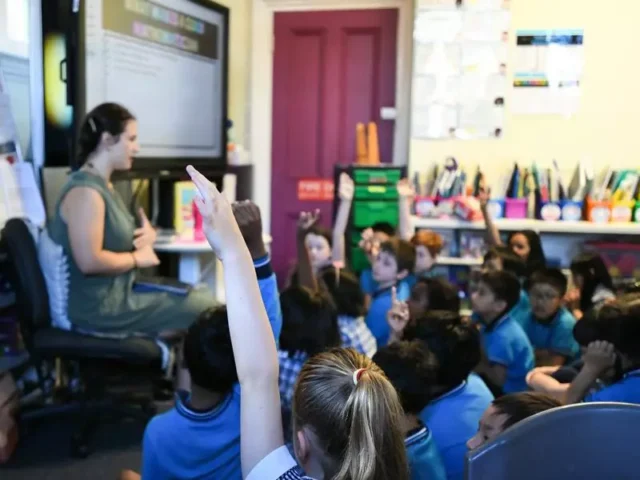
NSW teachers to embrace ‘step by step’ explicit instruction method amid major syllabus shake-up
State becomes first to mandate methodology in overhaul educators hope will allow disabled and disadvantaged students catch up to their peers
Teacher Magazine
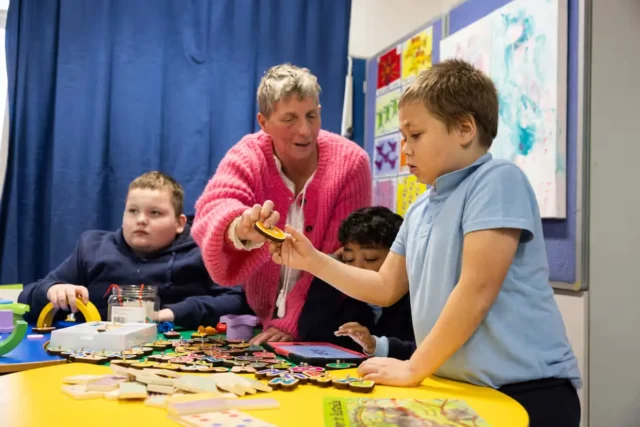
Unpacking the science of reading – teaching the constrained skills
In their new paper on the topic, ACER Senior Research Fellow, Greta Rollo, and ACER Research Fellow Dr Kellie Picker, from the Effective Practice in Education team illustrate how three constrained constructs contribute to the body of evidence that is the science of reading: phonemic awareness (a part of phonological awareness), phonics and fluency.
The Australian
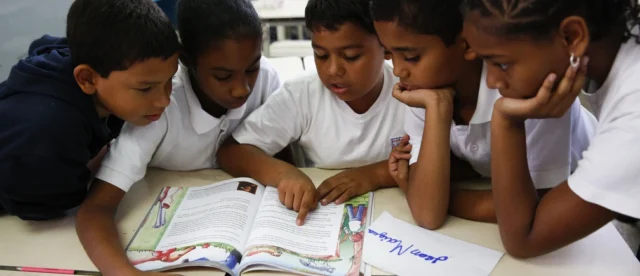
The dropout state: experts call for urgent reform to turn around Tasmania’s struggling schools
Tasmania is the nation’s dropout capital, sits bottom-of-class for literacy and numeracy, and must urgently reimagine its school system to stem an unfolding social and economic disaster, experts warn.
The Australian
Gonski failed on maths teaching, says new report
Students’ falling maths scores can be stemmed and reversed by focusing on teacher effectiveness instead of dedicating resources to measures such as increasing teacher-to-student ratios or lifting funding for disadvantaged groups, a new report claims.

EducationHQ
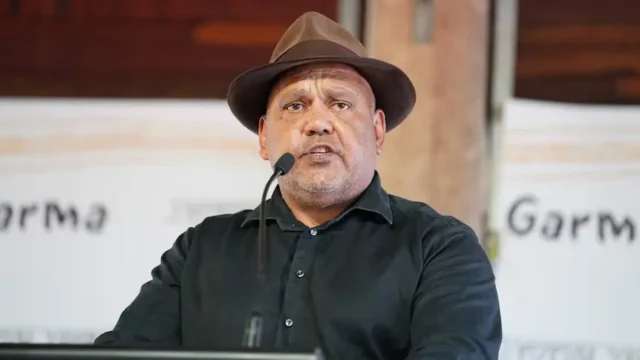
Noel Pearson reveals Direct Instruction’s power to close the achievement gap
A powerful advocate for Indigenous education over several decades, Noel Pearson – Chairman of Good to Great Schools Australia – has long championed the teacher-directed teaching method’s proven results in assisting struggling students to catch up and succeed in school, particularly in regards to literacy and numeracy skills.
ACER
What is needed to improve teacher professional development initiatives?
A multi-year, multi-country study in the Indo-Pacific region has identified strategies that can help shape future teacher professional development initiatives.

The Age
The NAPLAN-topping school that says phonics helped get it there
The 700-student school in Melbourne’s south-east, Wheelers Hill Primary School says Phonics helped it become the state’s best performing school
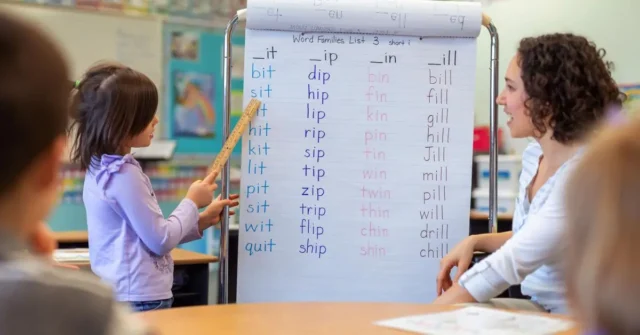
EducationHQ
Ditching balanced literacy: why Victoria’s secondary teachers should be cheering
Last week’s announcement by Education Minister Ben Carroll that Victorian primary schools will shift to a structured approach to teaching literacy using phonics in F-2 from next year has given secondary teachers reason both to hope and cheer. This is because children reading well in the early years is going to make secondary teachers’ jobs easier. Reading is a foundational skill for school. It’s vital that students get off to a strong start in reading, otherwise they risk falling further and further behind throughout school.
The Educator
Why early intervention is key in lifting maths outcomes
Too many Australian students struggle with maths and aren’t identified early enough or accurately enough, according to new research. Lead researcher, Kelly Norris, says early intervention is possible but requires the support of efficient, informative, accurate, and universal screening of core numeracy skills in Year 1.

The Educator
How these NSW teachers are empowering Indigenous youth
TAFE NSW is up-skilling Indigenous Australians in remote and regional areas as Student Learning Support Officers and Aboriginal Education Officers, aiming to improve learning outcomes for Aboriginal and Torres Strait Islander students. Experts have highlighted the need for tailored support, cultural safety, and enhanced educational and employment opportunities to make any meaningful difference in improving outcomes for Indigenous students.
ACT Government
Strengthening literacy and numeracy education in ACT public schools
A new suite of system-wide literacy and numeracy initiatives – called Strong Foundations – will ensure all students at ACT public schools have access to evidence-informed and consistent teaching practices in every classroom, common assessments, including a year 1 phonics test, advice and resources for parents, to support their children with literacy and numeracy, and multitiered systems of support for students in every public school.

The Sydney Morning Herald
Numeracy in schools doesn’t add up. Here’s how experts would solve the problem
The Grattan Institute Education Program Director, Jordana Hunter, highlights how numeracy performance has flatlined in the past decade and improving primary school outcomes is key to lifting achievement for older students. According to Dr Katherin Cartwright, President of the Mathematical Association of New South Wales and a former primary school teacher, there is a lack of consistency across Australia and access to national data for our younger students.
ABC Education
One in four Victorian students can’t read proficiently, but the state government is taking action
One in four Victorian school students can’t read proficiently but the state government is finally taking action. Victorian Minister for Education Ben Carroll has just announced that all government primary schools will be required to teach children in Prep to Year 2 how to read according to the best evidence on effective instruction.
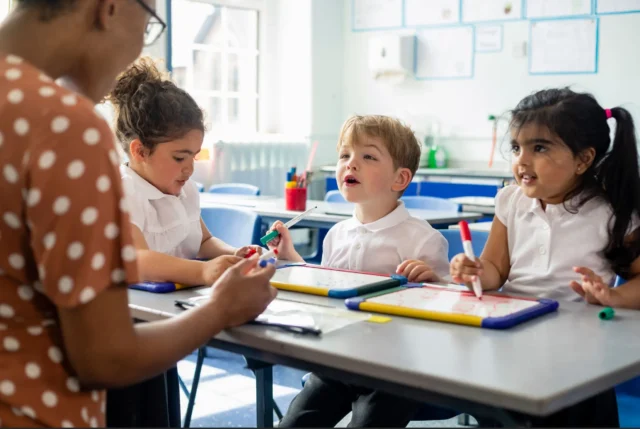
The Educator
Why Victorian schools are going all in with phonics
Under the updated Victorian Teaching and Learning Model, to be implemented from Term 1 in 2025, all students from Prep to Grade 2 will be taught using a systematic synthetic phonics approach as part of their reading programs, with a minimum of 25 minutes daily explicit teaching of phonics and phonemic awareness. At the core of the plan is a stronger focus on explicit teaching, which has been shown by research to be the best approach for the largest number of students.
The Courier
Going back to basics: why phonics will teach more children how to read
Starting from 2025, Prep to Year 2 students will learn to read using the back-to-basics phonics approach where they will learn to ‘decode’ the sounds that different letters make, as part of a new explicit teaching approach which is to be rolled out across all Victorian public schools.
The Age
The way children are taught to read in Victoria is about to change
Students from Prep to Year 2 will be taught using structured phonics as part of a new explicit teaching approach to be rolled out across all Victorian public schools.

The Educator
What does Australia’s education system need to do differently?
An analysis of what can be done different for Australia’s education system, considering Australian 15-year-olds rank ninth in the world for reading and science and 10th in the world for maths, but almost half still failed to reach national standards in those subjects.
EducationHQ News
Teachers need evidence-based training if they are to be effective in the classroom
Lack of evidence-based content is the reason behind the significant gaps between existing Initial Teacher Education (ITE) programs and the skills and knowledge required to be an effective teacher, analysis says.

The Educator
How teachers can make Australia more equitable
A new report brings to light that Australia has one of the most unequal education systems among the OECD nations, highlighting the critical role teachers play in giving young people the tools to improve their academic and life outcomes. The achievement gap between children from advantaged and disadvantaged backgrounds is equivalent to two years of learning by Year 5, an issue that impacts not just the academic progress of young people, but also their post-school opportunities.
National Indigenous Times
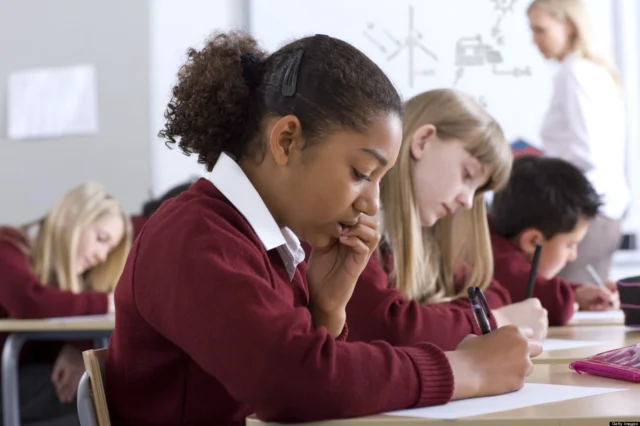
Chloe Allen: on a mission to close the education gap
Effective literacy instruction helps all students reach their potential. Read up on how Chloe Allen, an Awabakal and Dunghutti woman who grew up in the Northern Rivers on Bundjalung Country, is working to close the education gap.

The Sydney Morning Herald
NSW education: doubled its NAPLAN high achievers. Now its techniques are spreading
Read up on how schools in New South Wales are doubling their NAPLAN high achievers with direct and explicit instruction.
EducationHQ
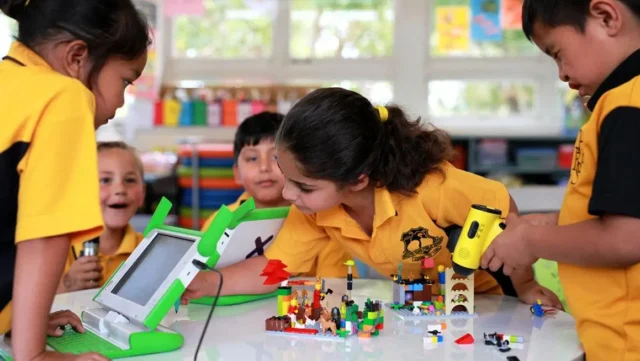
Australian teachers need a robust quality-assurance process for curriculum materials
Teachers at Australian schools require curriculum materials that reflect the growing evidence-base for effective teaching practices, such as explicit instruction, mastery learning, and formative assessment.
7 News
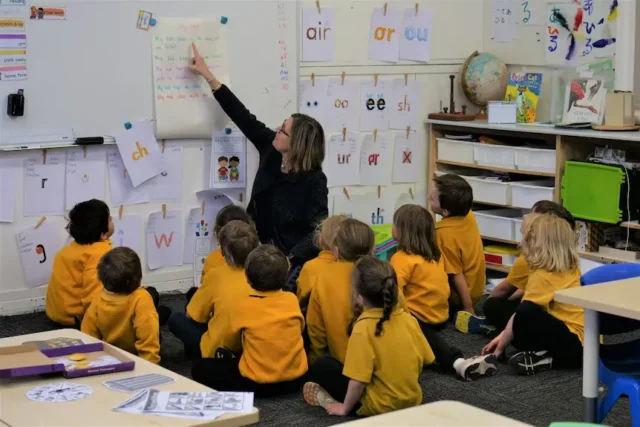
H
undreds of Victorian schools are going back to basics Hundreds of Victorian schools are turning back time and reverting to past methods of teaching. After decades of declining results, the back-to-basics move is paying off for young students.
EducationHQ
‘Twenty years overdue’: ACT public schools shift to evidence-based instruction
The ACT Government has backed an expert panel’s call to dismantle its ‘highly autonomous’ public school system and implement a system-wide shift to literacy and numeracy instruction that aligns with the science – but one expert says the messaging for teachers and school leaders remains somewhat cloudy.
Yahoo Lifestyle
We asked 900 Australian teachers if evidence informs how they teach – and found most use it, but there are key gaps
In a survey of more than 900 teachers from across each state and territory for an Australian Education Research Organisation (AER0), results found that m ost teachers surveyed said they were using evidence-based practices most of the time, but they were not using all the strategies that make those practices effective. This has serious impacts on student learning.
EducationHQ
‘We need to go back to teacher-led explicit instruction’: maths expert
Dr Tanya Evans, head of the Mathematics Education Unit at the University of Auckland, argues that promotion of inquiry-based and problem-based learning needs to stop, and that schools need to go back to teacher-led explicit instruction.
Daily Mail Australia
Explicit teaching returns to NSW classrooms as schools abandon progressive model
Explicit teaching model was rolled out during term two in NSW, sparking anger among some teachers and parents. However, education authorities say it is needed to give under-privileged children an equal chance to learn.

The Australian
Indigenous ‘carve out’: Is this a return to the ‘reading wars’?
All non-Indigenous trainee teachers must pass a test known as LANTITE (Literacy and Numeracy Test for Initial Teacher Education students) during the first year of their degree. Indigneous trainee teachers can demonstrate proficiency in an Indigenous language instead. Janet Albrechtsen considers if different standards for Indigenous trainee teachers risk reinforcing the curse of low expectations for these teachers and their students alike.
The Australian
High school students are ditching maths subjects
AMSI analysis showing high school students are ditching high-level maths subjects follows new rules revealed last week that all trainee teachers will be taught to use explicit instruction – a practical step-by-step teaching method embraced by NSW and Western Australia and championed by Aboriginal leader Noel Pearson.

The Australian
Bipartisanship delivers a lesson worth learning
Conceived by the Coalition and delivered by Labor, fundamental reforms to teacher training prove the power of bipartisanship. Reforms to teaching degrees mean they teach how to teach children to read, and to teach using the logical step-by-step method known as ‘explicit instruction’.

The Australian
Universities to raise bar on entry rules for trainee teachers
Universities will be forced to raise the bar for enrolment in education degrees, with trainee teachers taught to use explicit instruction, and Indigenous trainee teachers will be exempted from tough new entry rules for university and be tested on Aboriginal language ability instead, in a bid to bolster the First Nations teaching workforce.
Sydney Morning Herald
Schools have been ordered to use this teaching method. Will staff comply?
After decades of the reading wars, another ideological culture battle is set to ignite when teachers return from their school holidays.
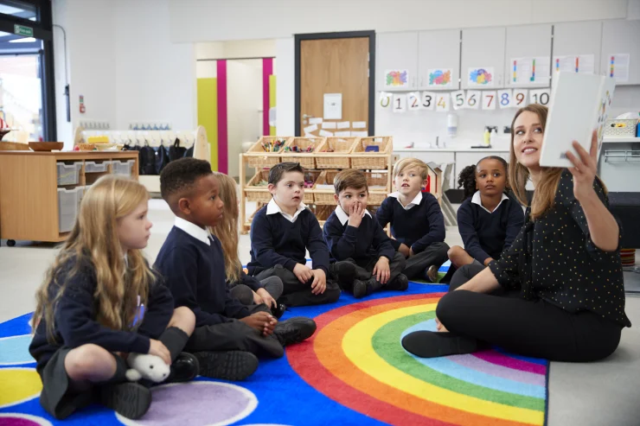
‘ABC News
Teachers once feared working at Cessnock High, now it’s a model for best practice
Using Newcastle University’s ‘Quality Teaching Rounds’ model, Cessnock High, a regional NSW high school that teachers once feared working at has gone through an incredible transformation.
The Conversation
It’s common to ‘stream’ maths classes. But grouping students by ability can lead to ‘massive disadvantage’.
The author dissects and discusses the negative impacts of streaming classes, especially with subject like maths, on disadvantaged students.
The Conversation
We have a new way of looking at data that shows what’s working for Indigenous school kids and what isn’t
A new way of analysing NAPLAN data that compares Indigenous students with other Indigenous students in order to get more nuanced information about what is working and where is underdevelopment.
EducationHQ
Evidence-aligned reading framework charts the path to ‘near zero’ illiteracy in secondary schools
The Reading Pledge – an initiative by MulitLit’s Five from Five and Learning Difficulties Australia uses data from the Phonics Screening Check and NAPLAN to devise a systematic approach to assessment and intervention so that most students are able to read well by the time they finish primary school.
ABC News
How back to basics literacy and numeracy teaching transformed a struggling public school
When Manisha Gazula started teaching at one of Australia’s most disadvantaged schools, nine out of ten students were moving on to high school with subpar reading skills. Now, the students are outperforming the ‘good schools’ and ‘punching above their weight’. She credits the transformation to abandoning ‘fashionable’ teaching practices, such as whole language, for explicit teaching.
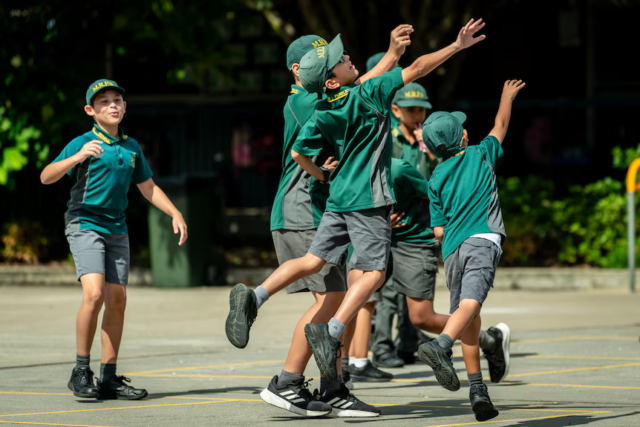
ABC – 7.30
How one school transformed its maths and reading results
One-third of Australian school students can’t read properly – statistic experts are increasingly blaming outdated teaching methods. An increasing number of schools are changing their teaching styles, and a public school in Sydney’s outer west is leading the way.
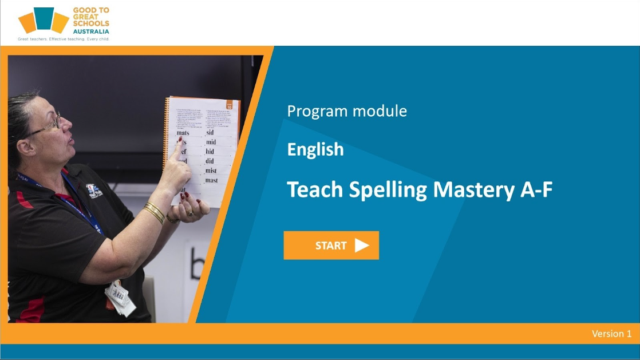
The Educator
NAPLAN writing top performers share a common approach – explicit instruction
With report after report of Australian students falling behind in writing, how is it that some schools are bucking the trend? What are they doing differently to help students outperform their peers in NAPLAN writing results? One common theme is clear: the implementation of explicit, practical writing instruction that’s based on best practice.
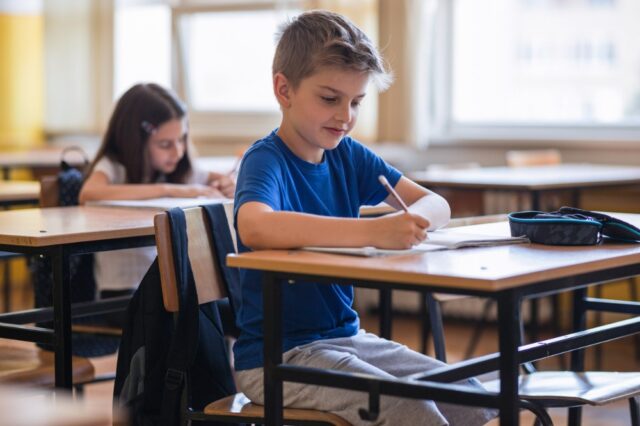
2GB
Why we’re reverting from ‘inquiry-based’ teaching back to old-school ‘explicit’ teaching
Murat Dizdar, Secretary NSW Department of Education, discusses the latest research showing that students benefit from ‘explicit’ teaching practices, which involve teachers clearly showing students what to do and how to do it, rather than having students discover that information themselves.

Sydney Morning Herald
The teaching style behind the state’s top performing schools
High school students who are taught using explicit instruction are months ahead in reading and maths compared with peers who are not.
The Age
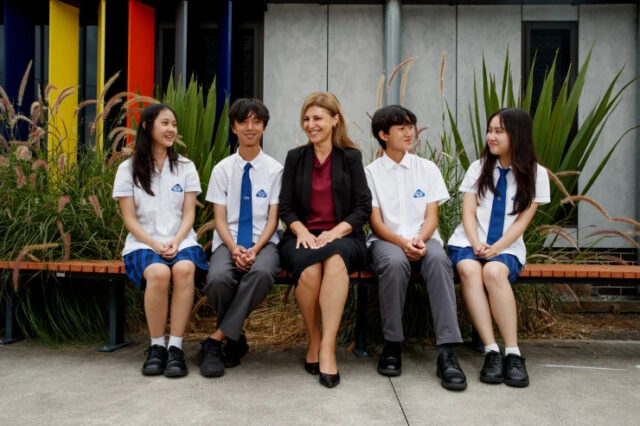
Students the losers in reading lessons that fail to flag learning issues
Victorian parents are spending thousands on tutors and specialists while students are falling year behind, as outdated reading lessons fail.

The Educator
Evidence-based teaching drives stronger reading outcomes – research
A recent report by the Grattan Institute found one-third of Australian children cannot read proficiently, calling for an overhaul in reading instruction and the need for ‘a systematic, evidence-based curriculum’. What’s needed, say the experts, is a curriculum that focuses on phonemic awareness, phonics, and comprehension. They argue that reading, a critical skill for lifelong learning and empathy, requires explicit teaching, challenging the belief that children learn to read naturally.

The Educator
The critical role of teacher upskilling in reversing the literacy slump
Last week, a report from the Grattan Institute revealed that one-third of young people in Australia cannot read proficiently, warning that this issue is costing the country $40bn over those students’ lifetimes.
The Age
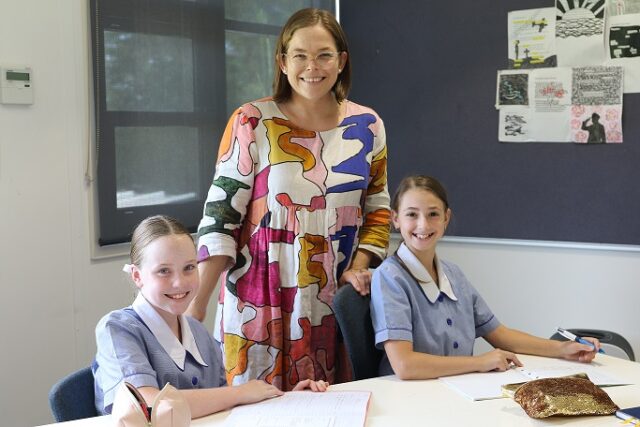
The big change coming to the way Catholic school kids are taught
Catholic schools are adopting a teaching philosophy that is not mandated in Victoria’s public schools…
EducationHQ
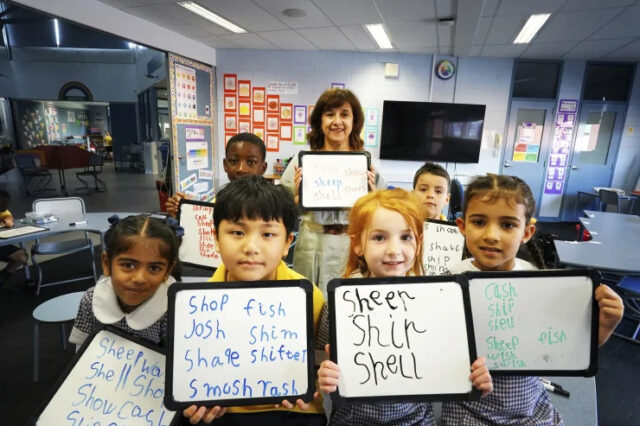
Education policymakers need to get clear on the science of learning
Implementing the science of learning at scale will require a combination of top-down (system-driven) reforms and bottom-up (school and teacher-led) actions.

The Australian
Rote learning adds up to success, says CIS report
Rote learning and explicit instruction are the key to children mastering the basics of reading and mathematics, a new report reveals. The Centre for Independent Studies has criticised universities for failing to train student teachers in the most effective ways to help children learn. ‘Myths must be busted to help build all teachers’ understanding of the science of learning,’ the CIS report states.
ABC News
Education experts break down the best ways to teach children how to read
A Grattan Institute report earlier this week found one-third of students are failing to learn to read proficiently due to persistence with an older, discredited way of teaching. The report urged schools to abandon the ‘whole language’ method of teaching children to read in favour of evidence-based ‘structured literacy’.
ABC News
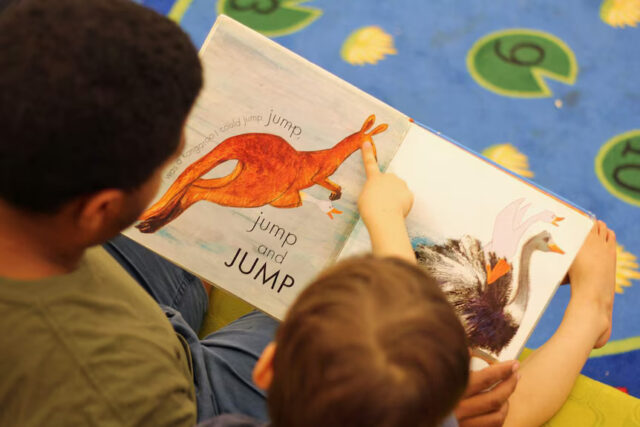
The teaching change this school made that supercharged its students’ reading skills
A reading revolution at a small, disadvantaged public school in regional Victoria could provide the blueprint for turning around alarming literacy rates in Australia’s 10,000 primary schools. Churchill Primary, about two hours southeast of Melbourne, has twice the number of students in the lowest socio-educational advantage bracket as the national average. The game-changing move for the school was switching to a style of teaching known as ‘structured literacy’, which is anchored in phonics and involves breaking all the key components of reading into lessons taught explicitly to students.
ABC Education
What does and doesn’t work when it comes to maths anxiety?
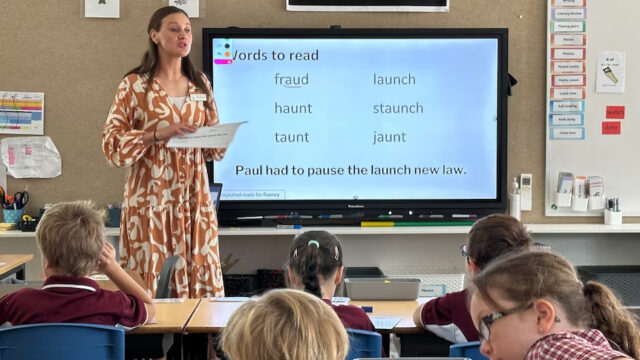
Intervention research shows the best bet to meaningfully address maths anxiety is through direct instruction, particularly in intensive dosages in small-group settings. Addressing the growing prevalence and impact of maths anxiety will be important to turning around Australia’s generally declining and disappointing maths outcomes of recent decades.
The West Australian
Hopping mad over outdated teaching
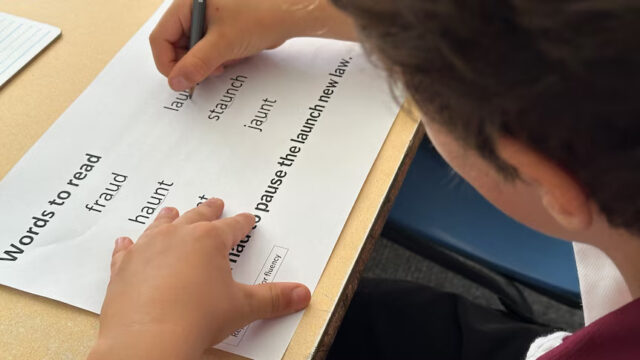
MultiLit released a checklist to help parents find out if their school is using effective instruction. Catholic Education WA has been criticized for mandating the use of Running Records which is on the list as inaccurate assessment tools.
Sky News Australia
Australia can fix its ‘jack of all trades, master of none’ curriculum by ditching complacency, experimental methods that have churned out tanking NAPLAN results
Student-centred approaches have led to chaos. A La Trobe Valley school introduced explicit instruction, and ‘The results were nothing short of miraculous. In just a year, NAPLAN scores improved drastically, and five years later, the school is outperforming its counterparts and the national average – an impressive feat considering the socio-economic challenges faced by its student body.’
The Australian
The success of education reform depends on choices we make now – The Australian
Explicit instruction and teacher training as crucial factors influencing the success of an educational program.

The Australian
Content reboot for teacher training
Reforms ordered by the nation’s education ministers include explicit instruction becoming mandatory in teaching degrees. Trainee teachers must also learn how children’s brains develop through early childhood to the teenage years so as to understand how students learn best at different ages. They will be instructed to avoid the trend of ‘self-directed learning’ for students who are learning a new concept or subject

The Guardian
Schools funding and reforms panel: five key takeaways
One of the takeaways is ‘screening student progress’ including a universal phonics check in year 1, with targeted programs like small group or individual catch-up tutoring to be offered to children failing to meet standards.
Queensland Government Media Statement
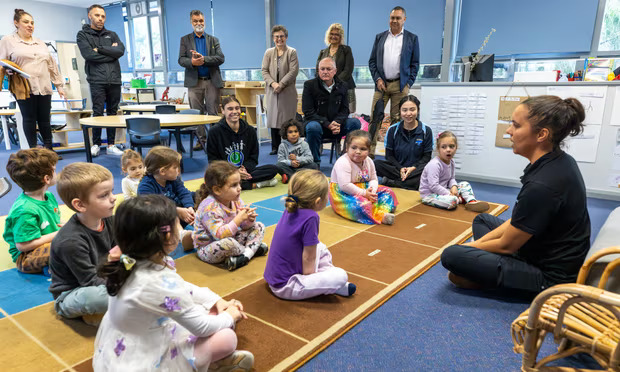
Queensland turns the page on reading in schools
Queensland state schools are set to take a consistent statewide approach to teaching reading that reflects the latest research and has a strengthened focus on phonics.
Sydney Morning Herald
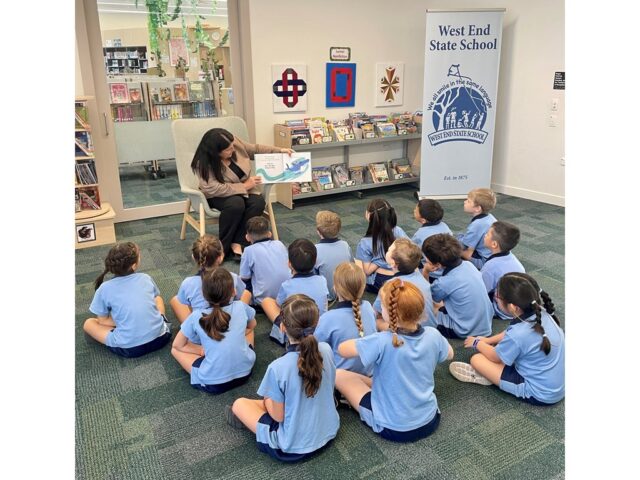
Education boss calls for doubling down on explicit teaching in schools
The head of the NSW public education system has called on schools to double down on the use of explicit instruction – a teaching method that gives students step-by-step and clear instructions – in a bid to boost results and close the stark achievement gap. Murat Dizdar, who was appointed secretary of the NSW Education Department in June, told the Herald that evidence shows schools using explicit teaching practices have the most sustained improvements in academic outcomes.
ABC News
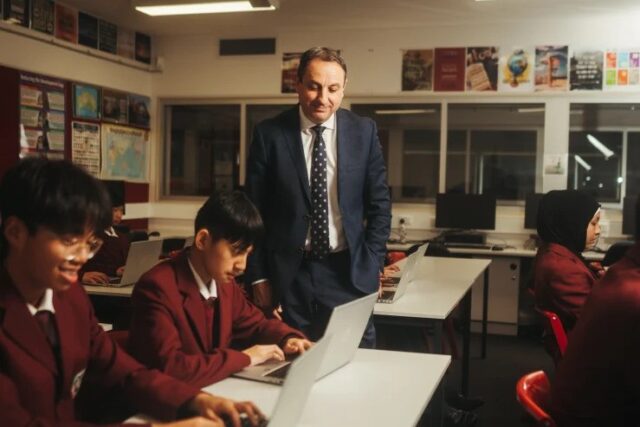
A reading revolution is underway in many Australian schools but classes are still a ‘lottery’ for parents
Children attending schools that do not use explicit teaching are known as ‘instructional casualties’ by advocates of structured, explicit literacy. The evidence clearly backs the explicit instruction of phonics and that reading, unlike speaking, must be taught. Many states now mandate explicit teaching.
EducationHQ
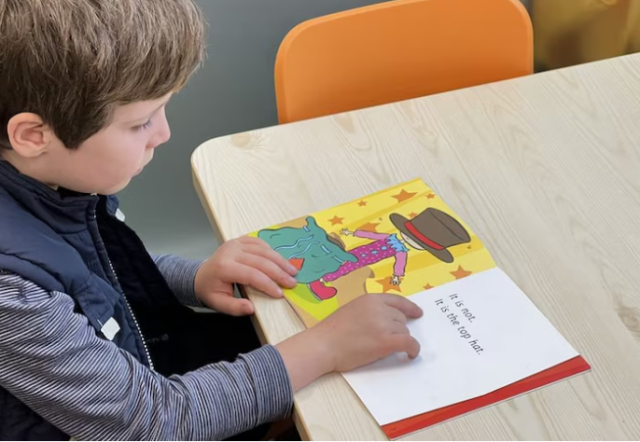
Henderson labels Oz standards ‘embarrassing’, advocates explicit teaching mandate
Shadow Education Minister Sarah Henderson has deemed the latest NAPLAN results ‘a national embarrassment’ and called on the Government to urgently mandate explicit teaching in every Australian classroom.
Sydney Morning Herald
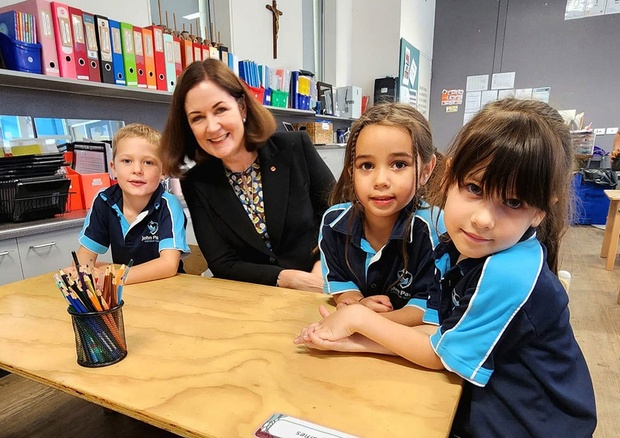
The ‘secret recipe’ that helped transform results at this Sydney school
Radical changes to teaching methods and lesson structure has helped create calmer classrooms and boost results.
RiotACT
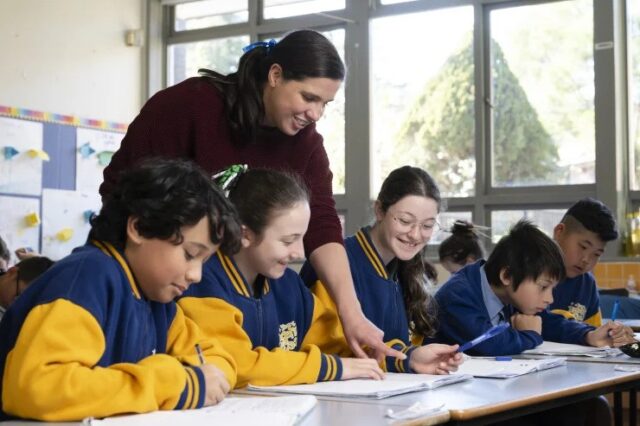
Catholic schools show way as new ‘explicit teaching’ approach reaps NAPLAN rewards
Three years ago, Catholic Education Canberra Goulburn embarked on a learning revolution through its catalyst program, adopting the explicit or direct teaching method based on brain science as its primary educational approach. Its NAPLAN results are higher than national averages.
ABC News
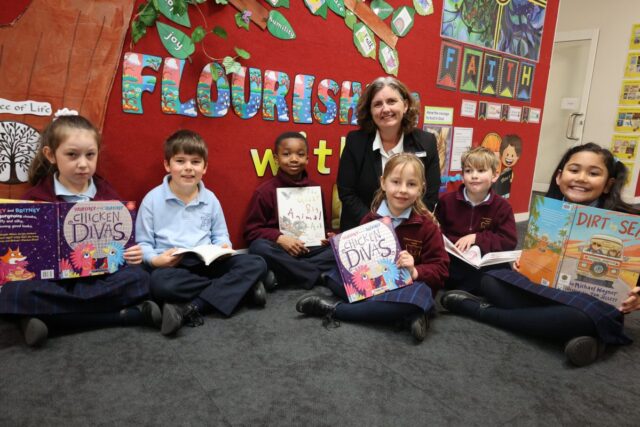
How a more explicit teaching style helped this school defy NAPLAN struggles elsewhere
Ms Hassan is a teacher at Auburn’s Sydney Adventist School, in the city’s west, where staff have been trained to focus on direct, explicit instruction informed by the latest science on the way kids’ brains work. The school’s education model also emphasises strong classroom management, with teachers aiming to engage the entire class in a task every two minutes. These methods are what Ms Hassan and Ms Efstratiou credit as helping the school turn around its NAPLAN results, which are now well above average in numeracy and literacy.

Canberra Times
NAPLAN 2023 results prove science of reading, explicit teaching works, St Peter and Paul Primary School principal Cameron Johns says
New NAPLAN results have proved the value of explicit instruction, a Canberra principal says.
ABC News
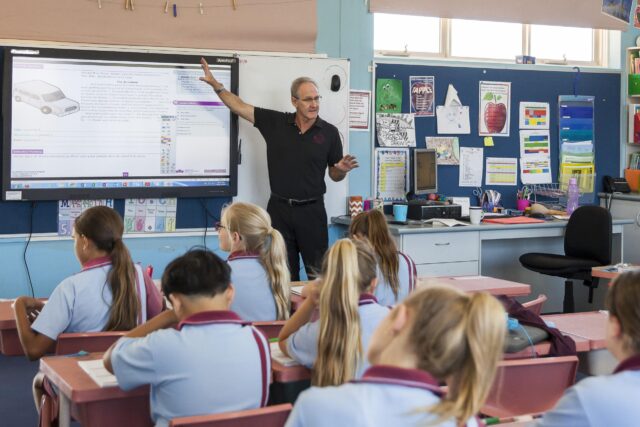
How to keep teachers and improve learning
A new way of teaching in the classroom is being adopted in some schools, with a focus on how young brains absorb knowledge. But is this the revolution in teaching that its proponents suggest? Includes interview with Canberra Goulburn on the Catalyst program.
The Australian
One in three teachers needs training to teach children to read and write, new study reveals
Edith Cowan University researchers have discovered that the time dedicated to the explicit teaching of writing in primary school each week varied from 15 minutes to 7½ hours. Literacy specialist Jennifer Buckingham, director of strategy at MultiLit, said writing needed to be taught explicitly for at least half an hour a day in primary school. ‘It should be taught in the context of learning other curriculum areas so it is integrated with knowledge building,’ she said. ‘This means students will eventually spend several hours each day doing writing of some kind.’

ABC News
Universities given two years to overhaul teaching degrees after education ministers’ meeting
Ross Fox, the Director of Catholic Education Canberra Goulburn, said he realised standard teaching methods were not working – and wanted to make dramatic changes across the more than 50 schools he oversaw. Mr Fox decided the problem was the way his staff were taught at university and moved to retrain his entire teaching workforce of 1,500 in what’s called the ‘science of learning’. It emphasises direct, explicit instruction tailored to young brains with the teacher ensuring a tight, disciplined classroom.
The Age
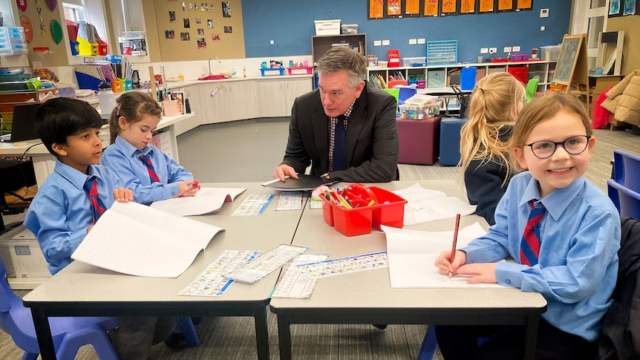
Department blocks ‘good news story’ on schools’ reading transformation
Victoria’s education department blocked the publication of a taxpayer-funded study into six primary schools that changed their approach to teaching reading and improved their results. The report, which The Age has obtained in redacted form, studied six government schools that dumped entrenched strategies for teaching reading for an intensively structured approach centered on explicit direction of young students using phonics. The schools transformed their approach to literacy to address plateaued or declining results, and are now reporting gains in students’ outcomes, the study found. It also observed that each school made the transformation without guidance from the Department of Education, with change often being driven by one individual within the school.
Sydney Morning Herald
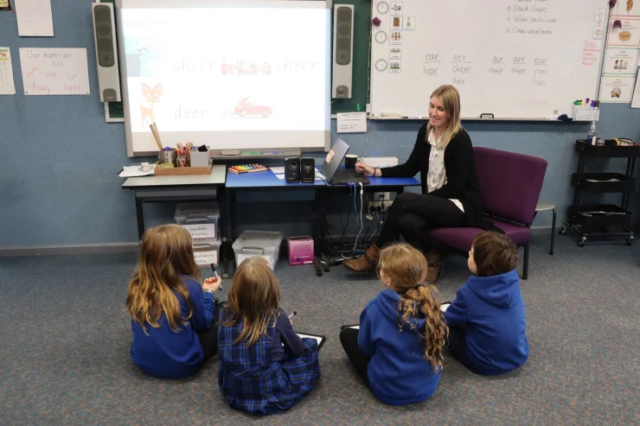
‘We changed everything’: How 56 schools transformed their teaching and boosted results
56 Catholic schools in NSW and the ACT have embraced ‘high-impact’ explicit instruction, an approach partly embedded in old-school teaching methods. It shuns student-led and inquiry-based learning in favour of a direct, traditional instruction style. After 2 years, these schools are showing statistically significant improvement in NAPLAN.
Sydney Morning Herald
How one Sydney school turned around its reading and maths results
Since 2016, the Liverpool primary school (1 in 5 students are refugees) has had a curriculum plan known as the ‘core program’ that involves ‘explicitly teaching every component of reading, writing and maths’ in a bid to turn around students’ stagnating academic results. The school is making above-average NAPLAN progress.
Sydney Morning Herald
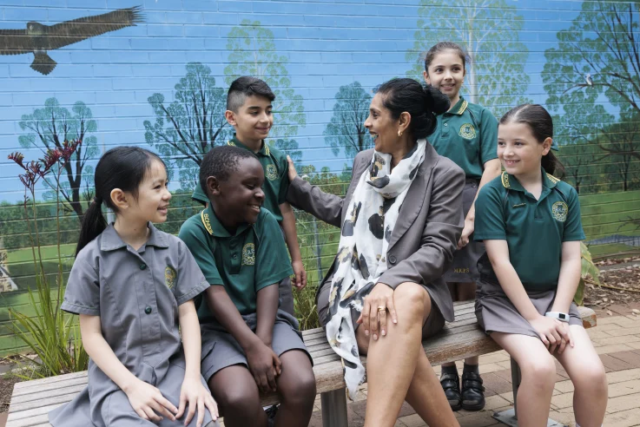
Schools need shared lesson plans for teachers to stop learning ‘lottery’
Report by Grattan Institute recommends teachers need access to high quality curriculum materials featuring explicit teaching to reduce workload and boost results.
The Australian
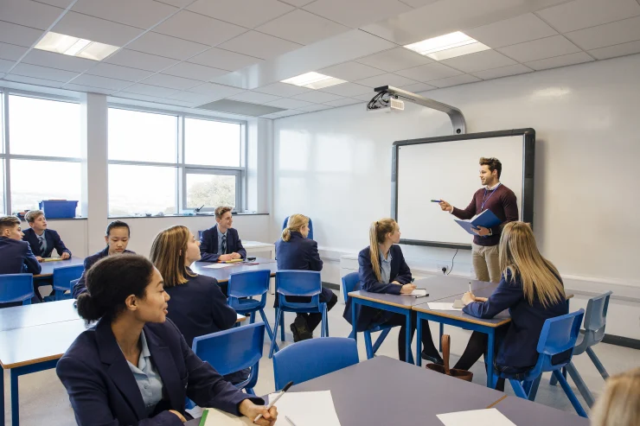
Poor reading and writing skills are dooming students to failure in high school and university, eminent scientist warns
One of Australia’s most eminent scientists, Alan Finkel, has blasted a lack of basic literacy for sabotaging students’ success in high school and university, as damning new data reveals that failed teaching methods could cost a generation of children $12 billion in lifetime earnings.

The Age
‘Results came really quickly’: How one tiny Victorian school turned literacy around
Churchill Primary, a small, disadvantaged school in the Latrobe Valley had persisted for years with an approach known as balanced literacy, with its mix of levelled readers and traditional children’s storybooks as reading tools, but achieved stubbornly poor results. Tired of seeing so many children leave the school with low literacy, principal Jacquie Burrows abandoned balanced literacy for a ‘purist’ phonics-based approach. What followed was a remarkable turnaround in the school’s NAPLAN data.
ABC News
‘He will get that intervention and that explicit instruction that he needs and hasn’t been able to get here in Tasmania’: Lisa Denny
Tasmanian academic says she’s been left with no choice but to leave the state so that her 11-year old son Rory can access the education he deserves. Queensland school offers needs-based learning, including smaller class sizes and a speech and language pathologist in every classroom.
Sydney Morning Herald
The reading wars are over – and phonics has won
Authored by the NSW Minister for Education, arguing the reading wars are bizarre because the evidence behind how reading should be taught is so one-sided. Overwhelmingly it tells us that phonics must be explicitly and systematically taught within a literacy program that also develops language and reading habits.