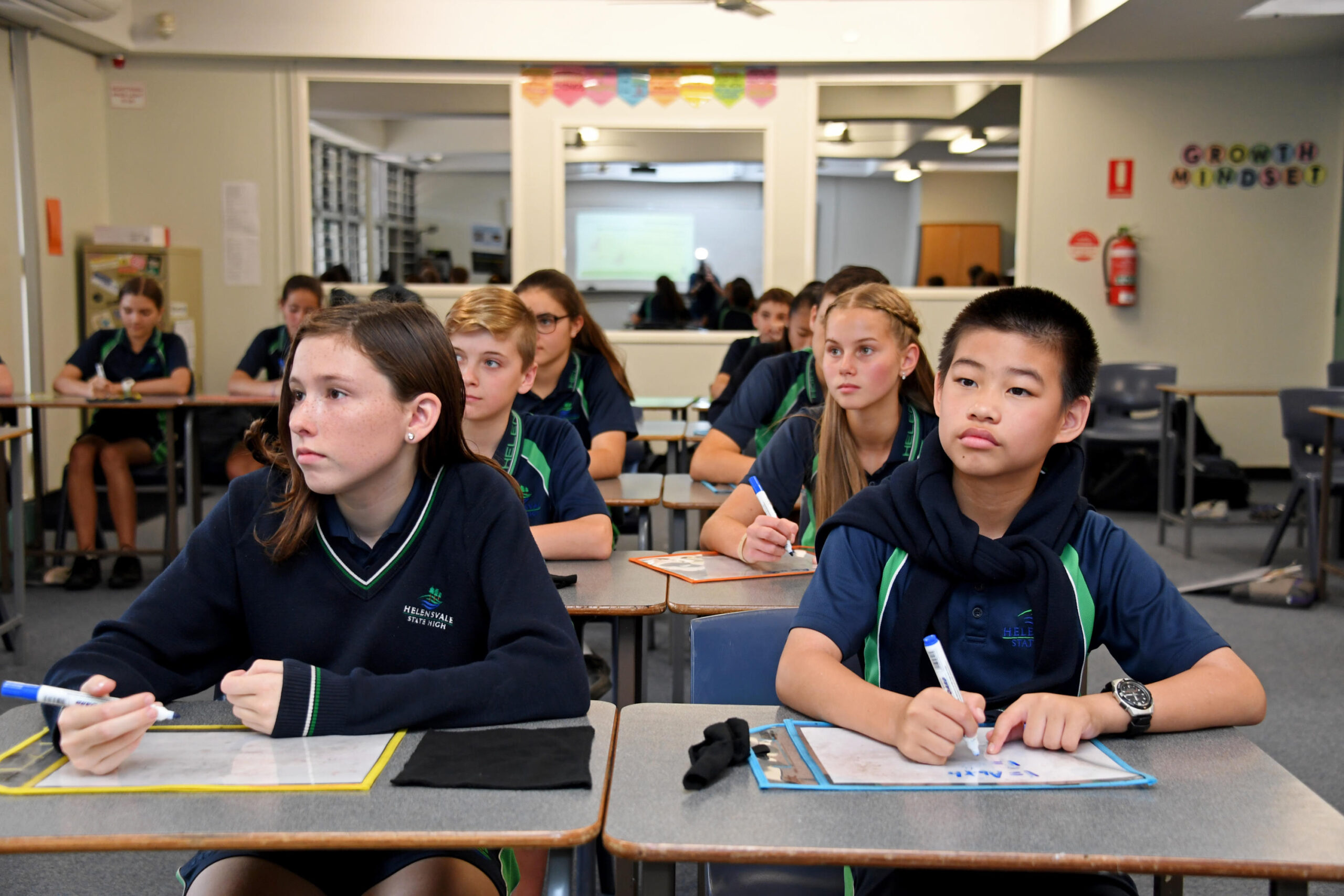
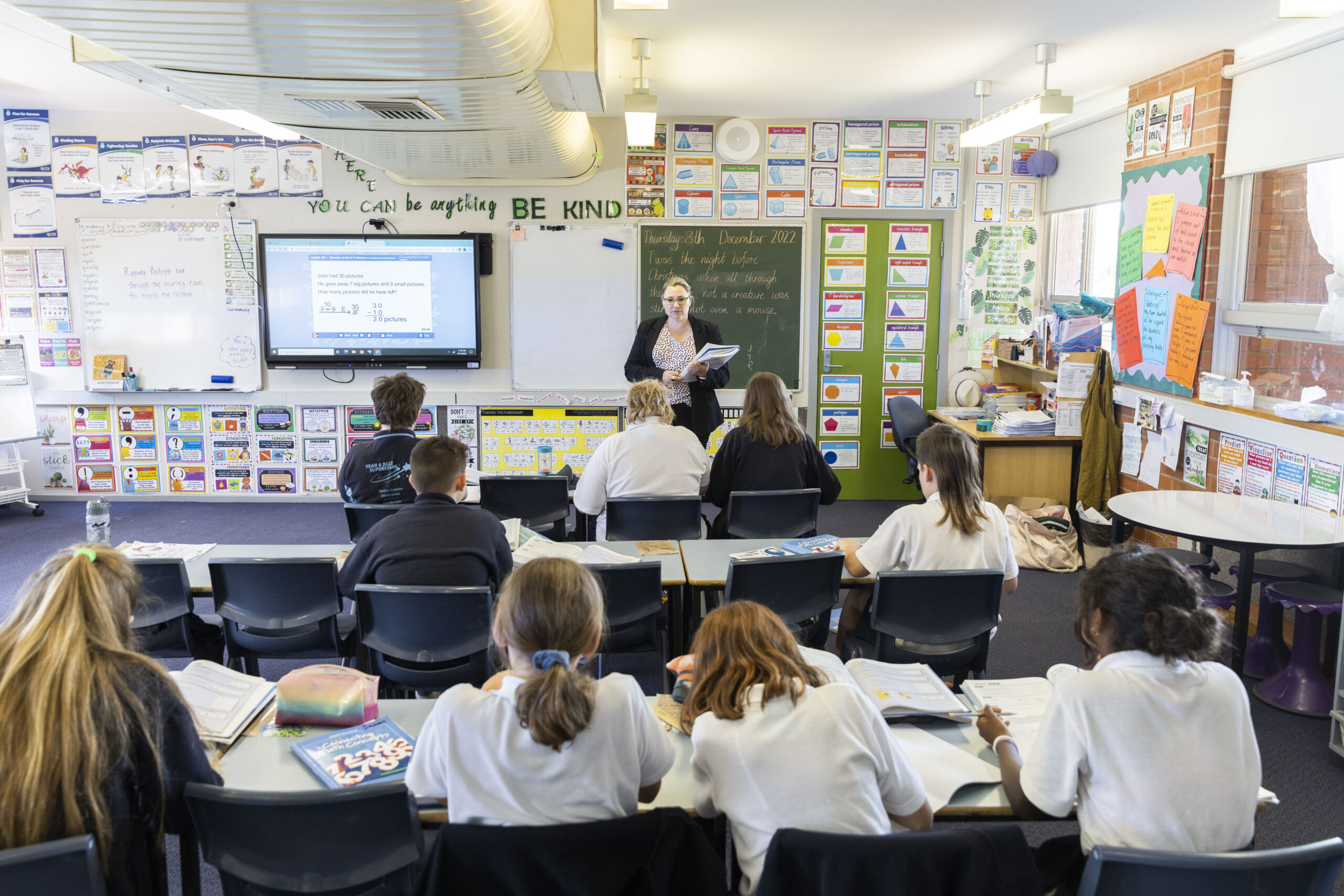
Strong schools have clear, consistent, and visible ways of teaching that are used in all of their classrooms. When teaching follows common routines and expectations, learning is more predictable, so students can focus their attention on the content rather than the process.
Students learn better when instructions are clear, lessons are well sequenced and expectations are reinforced in the same way throughout the school day. Research on direct and explicit instruction shows its role in improving student engagement, understanding and learning outcomes. The Australian Professional Standards for Teachers also stress that structured instruction, clear communication and responsive feedback are key elements of effective practice.
These practices are already evident in classrooms across many schools, but it’s important to continue to strengthen how they are shared, supported and sustained across teams to make sure good teaching stays consistent.
Strengthening Practice Across Classrooms
Professional learning has the greatest impact when it connects directly to what happens in classrooms. It becomes most valuable when teachers can apply new learning immediately, reflect on its impact and refine their approach over time.
The OECD TALIS 2024 Australia report highlights that professional learning is most effective when it is practical, collaborative and embedded in teaching practice. This aligns with approaches that prioritise modelling, coaching and shared discussion of direct and explicit teaching techniques.
As educators develop their practice, their influence naturally extends beyond their own classroom. Direct and explicit instruction becomes something that is demonstrated, discussed and strengthened across teams. This creates a shared understanding of what strong teaching looks like and how it can be applied consistently.
What Effective Teaching Looks Like in Practice
Direct and explicit instruction is structured in a way that supports students to understand what to do, how to do it and what success looks like.
In classrooms, this is reflected through clear explanations, structured routines and purposeful interaction. Teachers guide students through learning with well-sequenced steps, maintain a strong pace and check for understanding throughout the lesson.
A simple adjustment in instruction can illustrate the difference clarity makes. When students have clear direction, including what to do, how long they have and when to begin, they become engaged faster and more consistently. Students can start together, maintain focus and complete tasks with greater confidence.
Over time, these small, consistent practices build strong learning habits, and when they’re shared across classrooms, they create a positive experience for students.
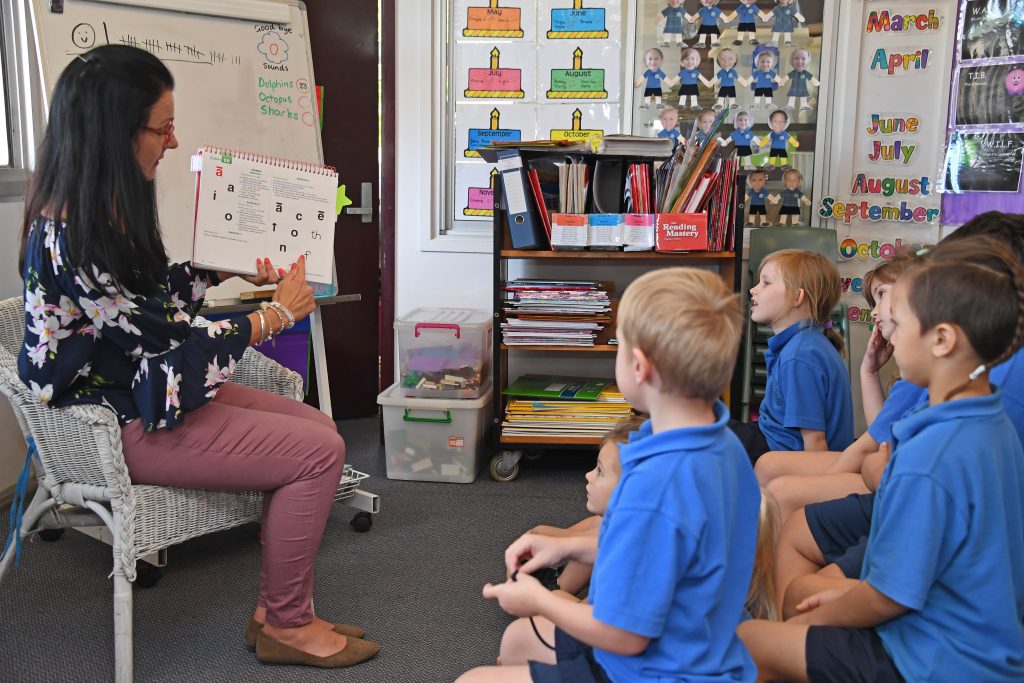
Consistency as a Whole-School Strength
Consistency helps both teachers and students learn. Students do better when they know what to expect. Teachers do better when they speak the same professional language and have a similar approach to direct and explicit instruction.
When teaching practices are aligned across classrooms, it makes the transitions for students much easier. Students can move between lessons without needing to adjust to new expectations, allowing them to remain focused on learning.
Consistency also strengthens collaboration. Teachers can observe one another’s practice, discuss strategies using common language and refine their approach with greater clarity. This shared understanding supports ongoing improvement and builds confidence across teams.
Making Practice Visible
Direct and explicit instruction becomes easier to share when it is visible in real classroom settings. Teachers can link certain methods to how students respond and what happens when they see practice in action.
This includes modelling how routines are introduced, how instructions are delivered and how understanding is checked during lessons. When these practices are demonstrated clearly, they become easier to replicate and adapt.
Visibility also helps support professional dialogue. Teachers can refer to specific moments in lessons, discuss what worked well and identify opportunities for refinement. This keeps conversations grounded in practice and focused on student learning.
Coaching as a Driver of Improvement
Observation and feedback help teachers improve their work through coaching. This works best when it focuses on specific direct and explicit teaching techniques and connects directly to student learning.
A coaching conversation might focus on how students respond during questioning, how clearly instructions are delivered or how well understanding is checked. Feedback becomes clear and useful when it is based on observable practice.
Teachers can then apply these insights in their next lesson, observe the impact and continue to refine their approach. Over time, this ongoing cycle of observation, feedback, and change makes teaching better.
Using Data to Inform Teaching
Data provides valuable insight into how students are learning and where additional support may be needed. It allows teachers to make informed decisions about pacing, instruction and reinforcement.
The Grattan Institute’s research on targeted teaching shows that student outcomes improve when instruction is guided by clear evidence of learning.
In the classroom, this can include monitoring student responses, reviewing work for accuracy and identifying patterns in errors. These insights help teachers adjust instruction in real time, ensuring that learning remains responsive and effective.
Building Shared Practice Across Teams
Shared practice develops through ongoing collaboration and alignment. It is backed by clear expectations, regular conversations between professionals, and chances to watch and learn from good teaching.
When teams focus on the same methods, teaching becomes more consistent across classrooms. This makes the learning experience better for students and makes the school a more welcoming place.
Over time, this alignment supports stronger outcomes, as students benefit from consistent instruction and clear expectations throughout their learning journey.
Leading Professional Learning Through Practice
The best way to learn professionally is when it is based on what you do in the classroom. Teachers benefit from chances to look at real-life examples, talk about strategies, and use what they’ve learned in their own setting.
Leading professional learning involves guiding these conversations, supporting colleagues to interpret practice and helping translate ideas into action. This ensures that learning is practical, relevant and connected to student outcomes.
Ongoing follow-up plays an important role. Revisiting key practices, sharing experiences and reflecting on progress helps sustain improvement and embed new approaches.
Supporting This Work Through the Mastery Teaching Pathway
GGSA’s Mastery Teaching Pathway supports educators to strengthen their practice and extend their impact across the school. It provides structured, evidence-based professional learning aligned to different stages of development.
Within this pathway, the Influence Effective Teaching for Student Success module focuses on strengthening the ability to model, coach and support direct and explicit instruction across teams.
The module includes practical strategies that can be applied in classrooms and professional learning settings. Participants engage in modelling teaching techniques, leading coaching conversations and using data to guide improvement.
The focus remains on application. Learning is demonstrated through practice, ensuring that strategies can be used confidently in real school contexts.
What This Looks Like in Schools
When direct and explicit instruction practices are shared and reinforced across classrooms, schools develop stronger alignment in how teaching is delivered. Students experience consistent routines, clear expectations and structured lessons throughout the day.
Teachers benefit from a shared approach that supports collaboration and ongoing development. Professional conversations become more focused, and coaching is strengthened through common language and understanding.
This creates a stable and supportive learning environment where both students and teachers can succeed.
Getting Started with a Clear Focus
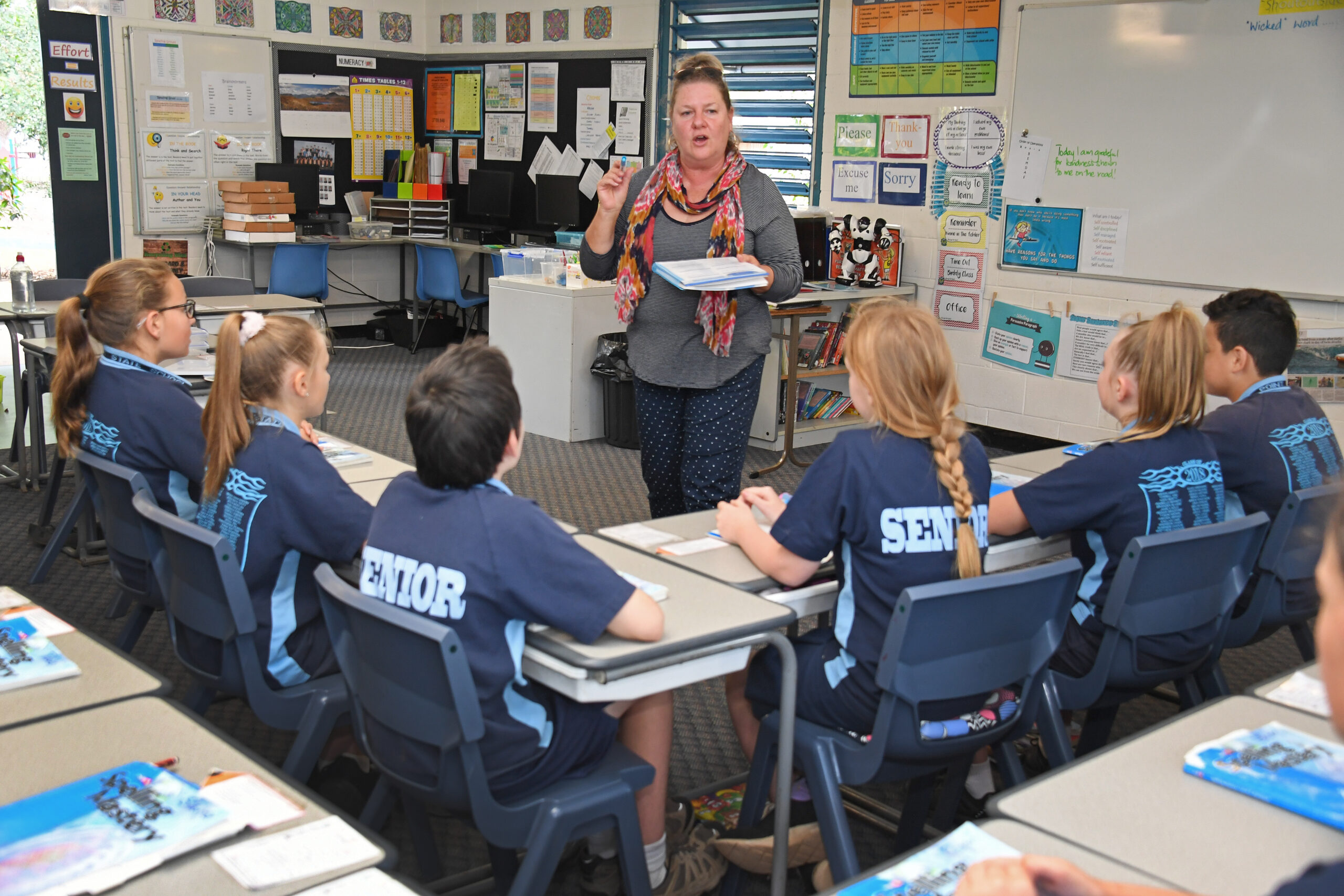
Progress begins with a clear and manageable focus. Schools often start by identifying one area of teaching practice that will have a meaningful impact across classrooms.
This focus might relate to lesson clarity, classroom routines, checking for understanding or the use of data. Selecting one priority allows teams to build depth, develop confidence and establish consistency.
Modelling the chosen practice, supporting it through coaching and revisiting it regularly helps embed it into daily teaching. Over time, this approach builds momentum and supports sustained improvement.
Sustaining Improvement Over Time
Improvement is strengthened through ongoing attention and reinforcement. Revisiting key practices in staff meetings, observing classrooms and continuing professional dialogue helps maintain focus and consistency.
Small, repeated actions contribute to long-term change. As practices become more familiar and widely used, they form part of the school’s shared approach to direct and explicit instruction.
This continuity supports both teacher confidence and student learning, creating a positive and consistent experience across classrooms.
The Long-Term Impact of Consistent Teaching
A sustained focus on direct and explicit instruction supports long-term improvement across the school. It builds a culture of collaboration, strengthens professional confidence and aligns teaching approaches across year levels.
Students benefit from clear, consistent instruction that supports their learning and engagement. Teachers benefit from shared understanding and ongoing support in refining their practice.
This aligns with the intent of the Australian Professional Standards for Teachers, which emphasise continuous development and clarity in teaching practice.
Take the Next Step
Direct and explicit instruction creates strong classrooms. Shared practice strengthens whole schools.
The Influence Effective Teaching for Student Success module supports educators to extend their impact by modelling effective teaching, coaching colleagues and building consistency across classrooms.
Through structured, practical learning, schools can strengthen alignment, support collaboration and create sustained improvement in teaching and learning.
And when teaching is clear and consistent, students benefit every day.

About Julie Grantham
Julie Grantham brings more than 40 years of experience in education as a teacher, principal and senior public servant, including three years as Director-General of the Queensland Department of Education.
During her leadership, Queensland’s state school results consistently improved and teaching and learning practices were strengthened through the introduction of world-class benchmarking.
Julie also led major reforms requiring every Queensland school to define and implement evidence-based pedagogical practices tailored to their context.
Today, as Director of Schools at Good to Great Schools Australia, Julie works with schools and education systems to design and deliver programs that ensure every student has the opportunity to succeed. Be sure to catch Julie each week as she hosts the Good to Great Schools Webinars. For more information, click the link below.