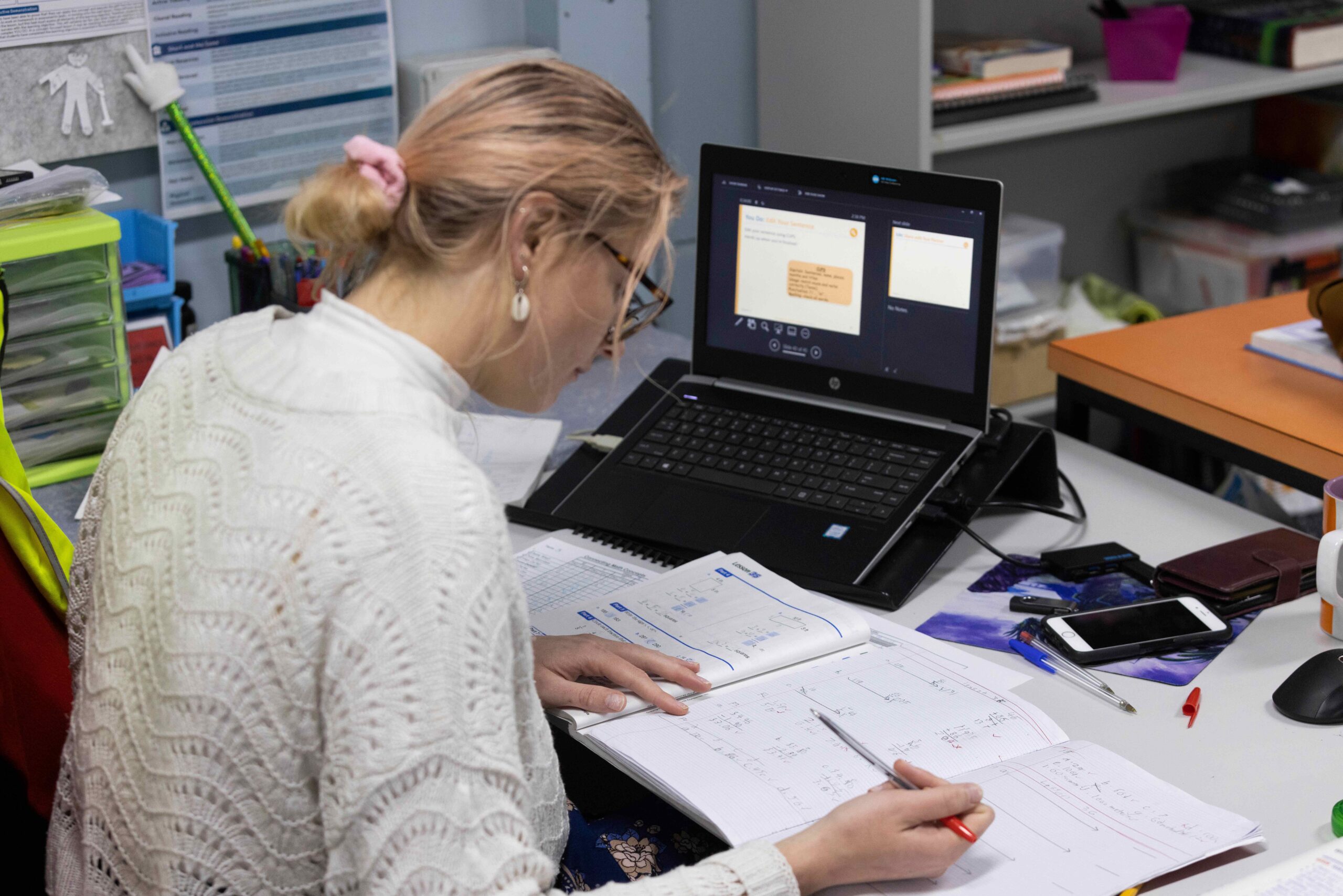
Primary school science is as crucial as literacy and numeracy. Science equips students with essential analytical skills, problem-solving abilities and the capacity to think critically about how the world works.
When students have a strong foundation in science they are better prepared for secondary school and open up endless opportunities for their future careers. Teaching primary school science is educating our future scientists, technologists and engineers.
Chemistry, understanding materials, reactions and properties i- s increasingly important as our world becomes more reliant on technology and sustainable solutions.
Rich and engaging chemistry lessons help children connect with their environment in meaningful ways. They spark curiosity and invention, allowing students to see the chemical reactions and material properties in their everyday lives. This nurtures a sense of wonder and creates a safe space for them to ask important questions.
The Importance of Chemistry Education in Australia
Primary school science lessons teach everyday problem-solving skills and are foundational for students who want to go into the STEM field. STEM is vital to Australia’s future, and today’s primary students are tomorrow’s healthcare experts, renewable energy engineers and material scientists. All these fields rely heavily on a deep understanding of chemistry.
Chemistry lessons also teach students how to work in teams and collaborate on projects or experiments. It is an effective way for students to learn how to communicate clearly, collaborate fairly and share their ideas. Whether they are predicting the outcome of a reaction or analysing the properties of a new material, these soft skills transfer to any situation. A solid chemistry lesson can have a major impact on your students’ development.
The Challenge of Teaching Chemistry in Primary Schools
Despite its importance, science has proven to be a significant challenge for Australia’s primary school teachers. This is largely because primary teachers are generalists. You have the skills to teach across every subject, but you may not have specific training in chemical sciences. Consequently, many primary teachers feel underprepared to deliver a comprehensive chemistry lesson.
According to an Australian Academy of Science study, 60% of primary teachers feel unprepared to teach science lessons, with many reporting that the subject is resource-heavy and daunting. This is often compounded by inquiry-based science programs. While well-intentioned, these programs often fail to provide the structure and support teachers need to implement them effectively.
Rather than giving teachers step-by-step guidance, they often focus on broad themes. This leaves many teachers scratching their heads as they try to understand abstract chemical concepts—like atomic structures or chemical bonds—well enough to create an engaging, practical lesson.
This can lead to inconsistent chemistry education across Australia’s primary schools. Many students miss out on the hands-on experiences that spark curiosity and lead to a lifelong love of science.
According to an Australian Council for Educational Research report, when students don’t receive adequate foundational science lessons in primary school, they are far less likely to pursue a STEM subject in high school, further widening the knowledge gap.

The Solution for Primary Chemistry Education
Though inquiry-based programs are well-intentioned, they pose unique classroom challenges for teachers. The theme is set, but the guidance isn’t there, and without the proper resources and training, the time constraints are directly impacting our students’ futures.
What’s the solution for strengthening chemistry education in our schools? It begins with empowering teachers with the resources and confidence they need to make chemistry lessons more enjoyable and effective. While there is no single approach that works for every classroom, several evidence-based strategies can help teachers overcome the challenges associated with teaching primary chemistry.
Focus on Teacher Development
Your students can’t shine unless their teachers know how to bring out the best in them. You must empower your teachers with the skills and confidence to deliver engaging chemistry lessons. Professional development programs tailored to primary teachers can deepen their scientific understanding while providing practical, hands-on experience. Studies show that teachers who participate in professional development feel more confident in their ability to teach science effectively.
Use Evidence-Based Methods
Professor John Hattie’s research shows that explicit teaching strategies can have a profound impact on students’ learning experience, especially in science. Explicit instruction is particularly powerful in chemistry. It involves providing students with clear, direct explanations or breaking down complex ideas, such as states of matter or irreversible changes, into easy, manageable steps. This reduces cognitive load and ensures students grasp the core concepts before applying them.
Promote Hands-on Learning
Primary students respond positively to hands-on learning, and chemistry offers some of the best opportunities for this. Activities and experiments are an effective way to impart knowledge and make abstract concepts tangible.
By providing a tangible activity, you make science relatable and help students develop problem-solving skills. You can use everyday objects to help your students understand complex concepts:
- Testing pH Levels: Use red cabbage juice to test household liquids like vinegar and soap, visually demonstrating acidity and alkalinity.
- Observing Chemical Changes: Mix baking soda and vinegar to inflate a balloon, showing how gas is produced in a reaction.
- Creating Simple Polymers: Make ‘slime’ or bioplastics from cornstarch to explore how molecules link together to change a material’s properties.
Ensure Every Lesson Aligns with the Curriculum
Every chemistry lesson should align with the Australian Curriculum (specifically the Chemical Sciences strand). This is crucial to ensure students receive a consistent, comprehensive education. Aligning lessons with the curriculum allows teachers to focus on teaching key concepts, erasing any knowledge gaps and reducing the risk of new ones developing.
Make Science Practical and Relatable
Every lesson should be practical and accessible, using materials that most classrooms already have. A school’s budget shouldn’t be a barrier to high-quality science education. Whether you are exploring density with oil and water or investigating melting points with chocolate, you can deliver high-quality chemistry lessons using low-cost items found in the local supermarket.
Good to Great Schools Australia’s Oz-e-science Program
The best way to deliver a chemistry program that meets all these strategies is with Good to Great Schools Australia’s Oz-e Science program. It provides a comprehensive solution to the challenges primary teachers face, specifically in the new Chemistry unit. Oz-e Science offers step-by-step teaching to simplify complex concepts, removing one of the biggest barriers to learning.
Evidence-Based
Oz-e Science utilises evidence-based teaching methods that focus on explicit instruction to ensure students incrementally build their knowledge. Every new grade level includes a refresher on previous learning, serving as a foundation for new concepts. Each year is another building block, and it’s up to educators to ensure that each is as structurally sound as the last.
Hands-On
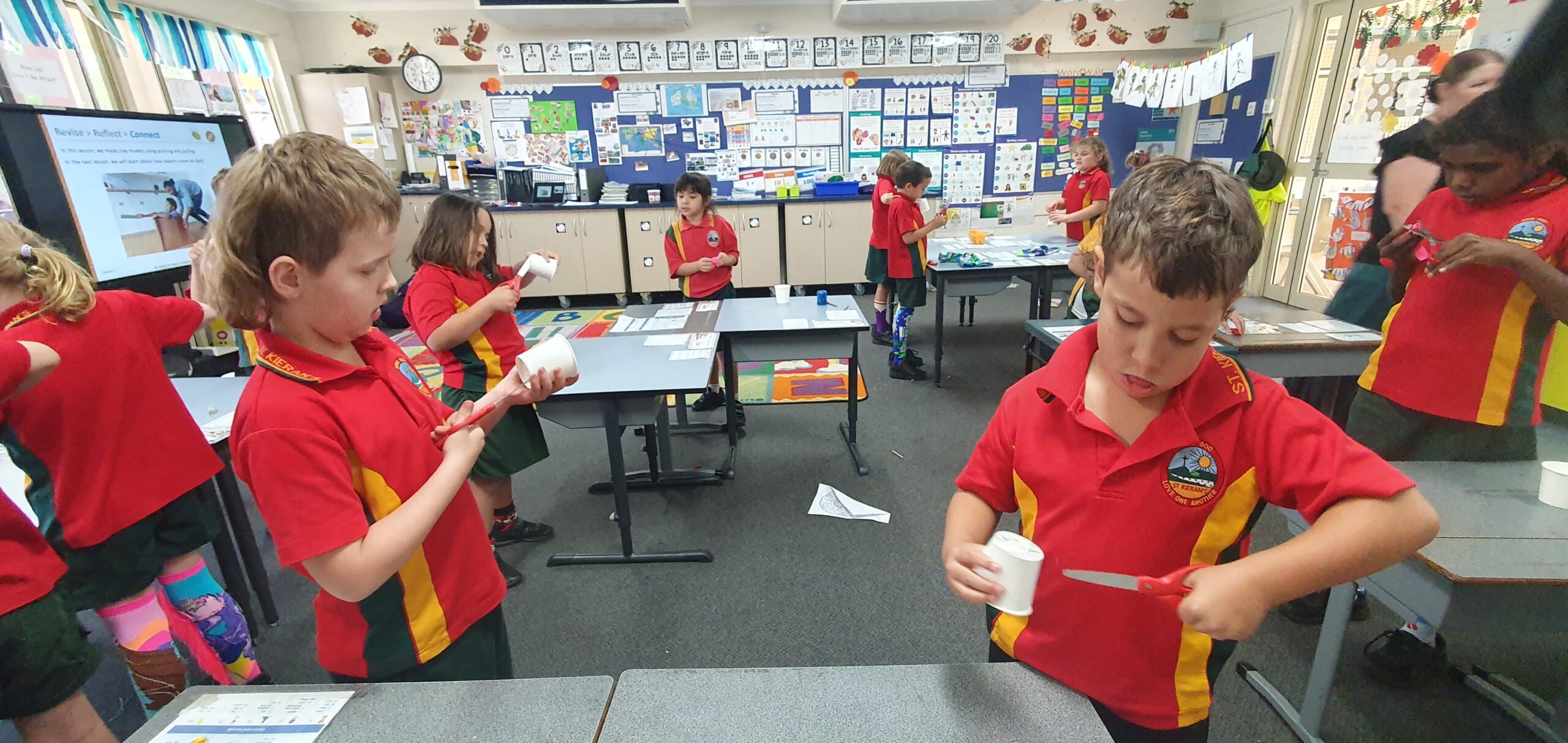
While everyone learns differently, children are particularly taken with hands-on activities. The key is to set up simple experiments to run in a classroom without creating chaos.
Oz-e Science delivers the practical elements teachers need to make chemistry exciting without becoming an energy drain. The program includes safety notes, clear instructions and easy-to-source materials for activities like model building and card investigations. This ensures teachers can run experiments confidently.
Why Primary Science Matters
Science lessons matter, whether you have STEM career-bound students or not. By teaching solid chemistry lessons, you nurture a sense of wonder and curiosity, fostering critical thinking skills that will serve students throughout every stage of their lives.
Oz-e Science addresses the specific barriers primary teachers face, giving them the room to explore the subject with enthusiasm. It provides a structured, ready-to-teach curriculum that covers physics, biology, chemistry, earth and space, ensuring a well-rounded education.
If you’re ready to transform your primary science lessons into something your students will love, look no further than Good to Great Schools Australia’s Oz-e Science program. It delivers the highest quality science education possible, without the stress.
Click here to learn more about Good to Great Schools Australia’s new Chemistry Unit!
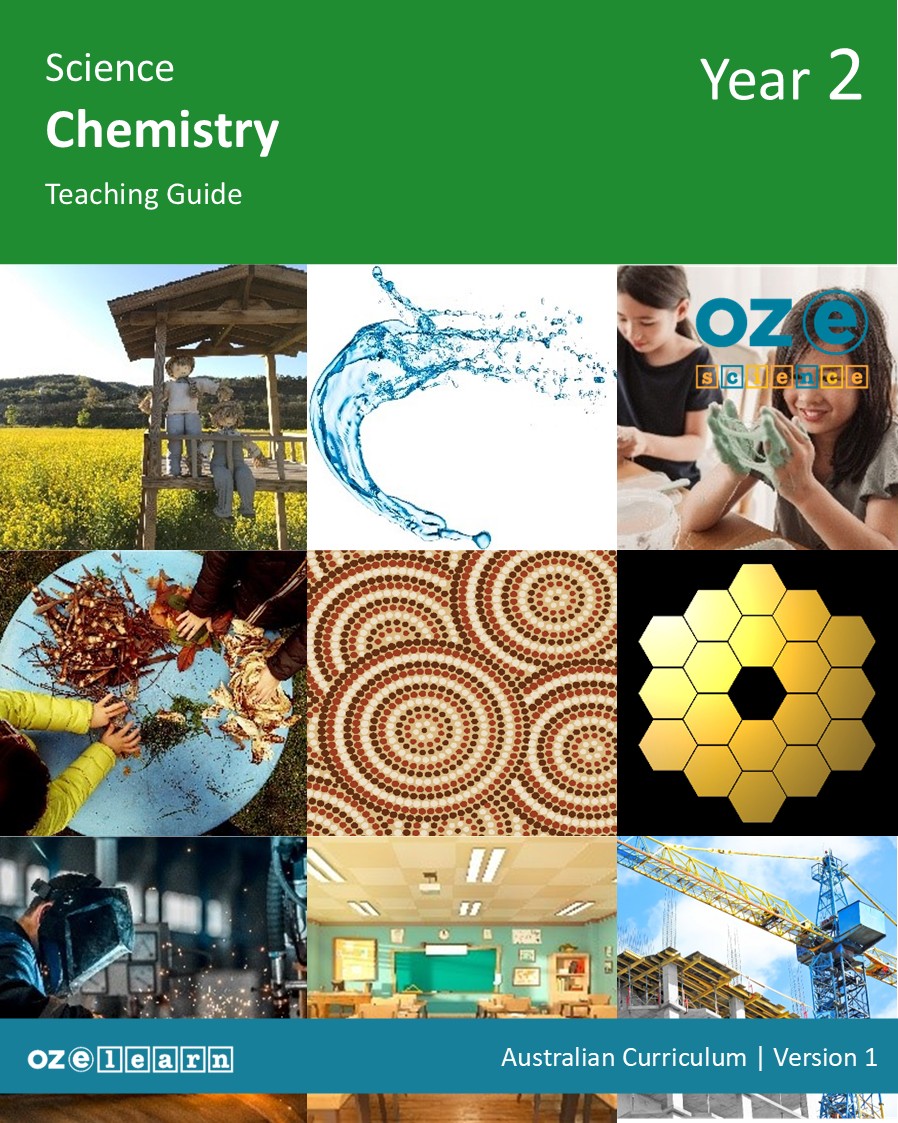
Explore our evidence-based, ready-to-use science curriculum program designed specifically for Australian educators and learners.

About Julie Grantham
Julie Grantham brings more than 40 years of experience in education as a teacher, principal and senior public servant, including three years as Director-General of the Queensland Department of Education.
During her leadership, Queensland’s state school results consistently improved and teaching and learning practices were strengthened through the introduction of world-class benchmarking.
Julie also led major reforms requiring every Queensland school to define and implement evidence-based pedagogical practices tailored to their context.
Today, as Director of Schools at Good to Great Schools Australia, Julie works with schools and education systems to design and deliver programs that ensure every student has the opportunity to succeed. Be sure to catch Julie each week as she hosts the Good to Great Schools Webinars. For more information, click the link below.