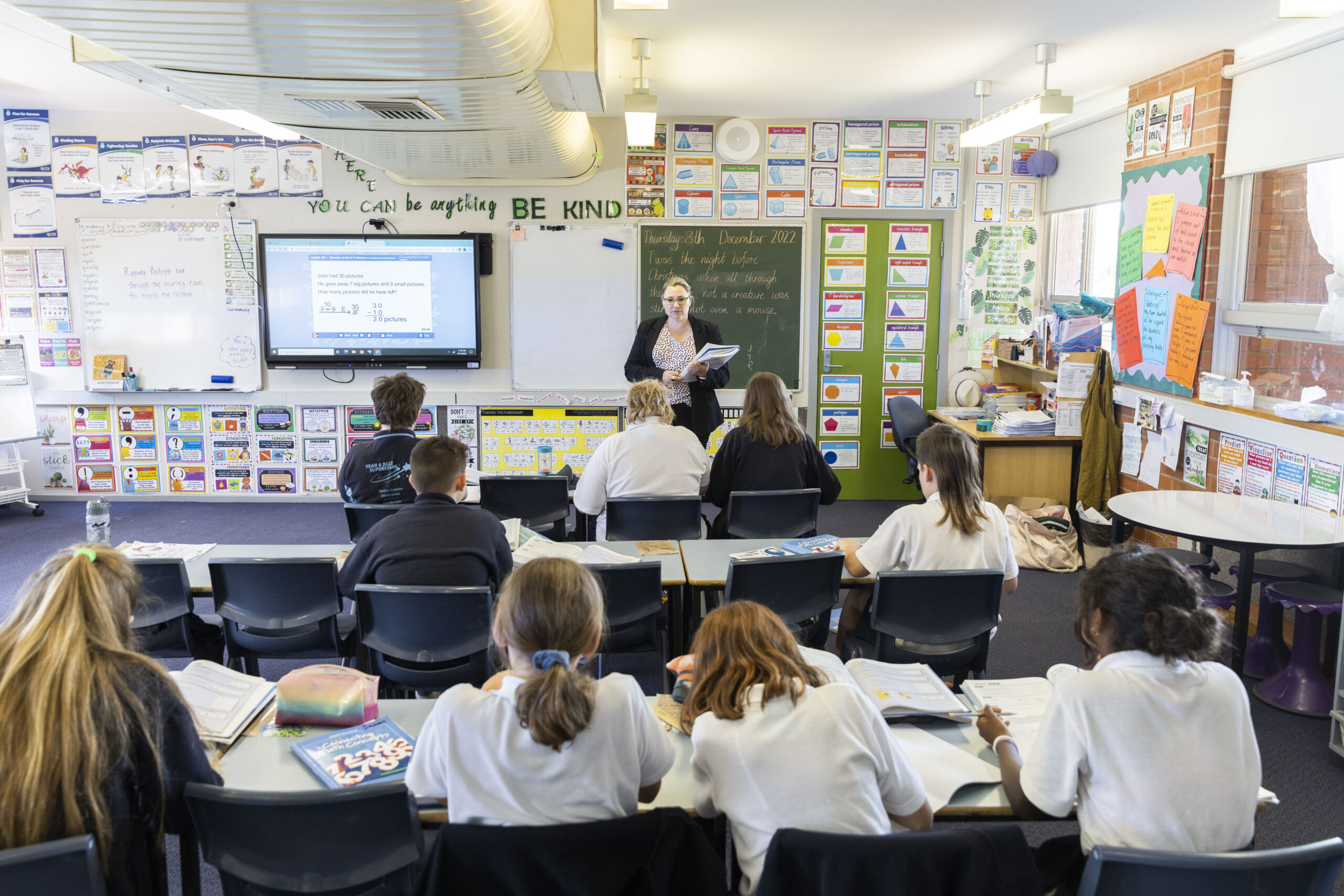
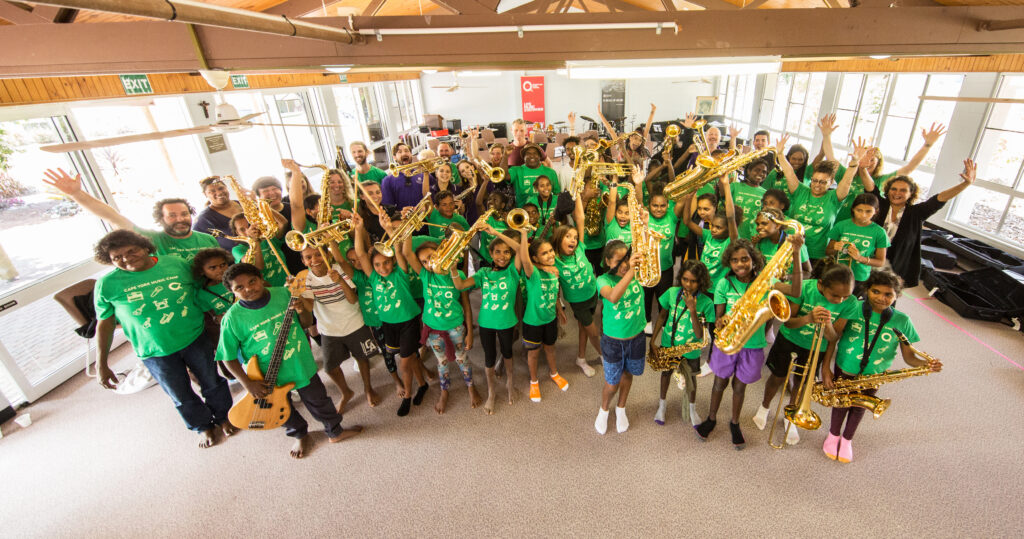
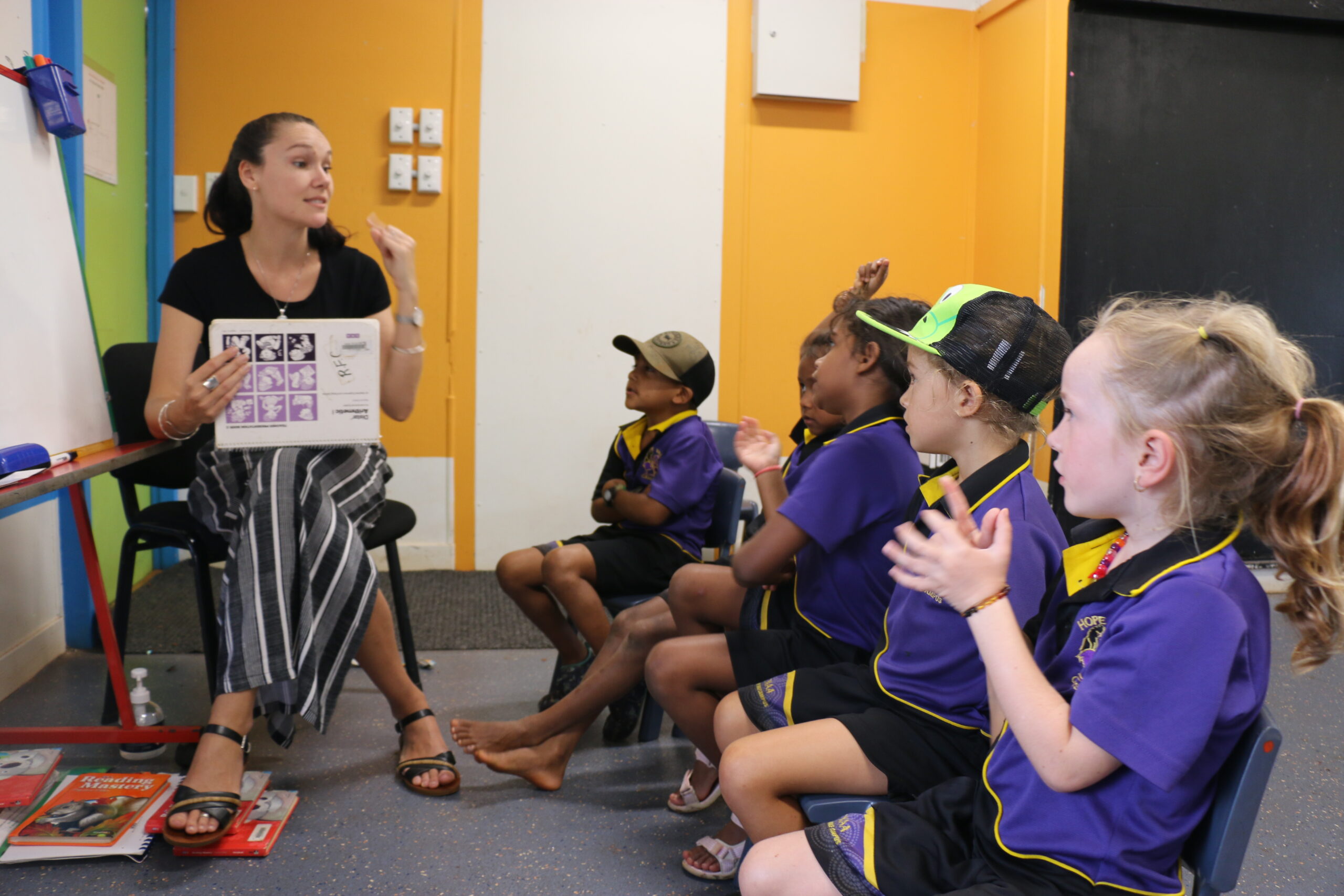
At the heart of every successful school are high teaching standards. Having a shared goal sharpens teaching practice, uplifts educators, and ensures every student gets a fair go at a solid education. Whether you are a new graduate preparing for your first classroom or an experienced principal in charge of shaping a school, a strong benchmark will guide the way.
When high teaching standards are combined with the clear framework of the Australian Curriculum, it sets consistent learning experiences across the student body while providing educators with professional growth.
Achieving these standards is about creating a space where children are comfortable, enjoy the learning experience, and feel confident and capable of succeeding in every class. To achieve this, we provide teachers with practical support like resource sharing and structured professional development through Good to Great Schools Australia (GGSA). GGSA provides instructional coaching that teaches teachers and equips them with the necessary tools to feel capable and confident in front of any class.
Teaching Standards Provide a Framework for Great Teaching
Teaching standards are a best practice map that outlines what great teaching looks like and equips teachers with a common language to discuss classroom practices and work. So, while everyone works toward the same goals, educators still have the freedom to teach their own way.
Teaching standards reflect the teacher, and the school and GGSA encourage teachers to identify their growth areas and celebrate wins. For school leaders, GGSA provides a powerful mentoring tool that allows for honest feedback and coaching conversations that build consistency across the school. Every educator is on a professional journey, and by aligning your school with high teaching standards, schools create:
- consistency in every classroom
- collaboration across teaching teams
- clear expectations for professional behaviour and practice
- higher levels of confidence for teachers
- an improved learning experience for students.
There is no end to professional growth. As educators master new instructional strategies, new ones will arrive to expand impact. Keeping up with the newest approaches and refining practice will guide continuous improvement.

The Seven Standards of Teaching
There are seven standards that build the framework for effective teaching, and the Australian Professional Standards for Teachers lay out what is expected of educators throughout their careers.
- Know Students and How They Learn
The best teachers understand that effective teaching starts with the students. Teachings need to tune into backgrounds, quirks, strengths, and opportunities to design lessons that will reach students where they are. With a better understanding of how students learn, teachers can proactively identify roadblocks and smoothly break down complex ideas. It helps build the type of trust children need to feel to do their best.
- Know the Content and How to Teach It
While subject knowledge is a must, it’s only half the function. Teachers must also impart that knowledge, and this means using the right strategies, clearly modelling new concepts, and consistently checking for understanding. Direct and Explicit Instruction, both evidence-backed approaches, provide a systematic, foolproof method to teach new ideas without overwhelming students.
- Plan For and Implement Effective Teaching and Learning
Great lessons don’t happen by accident; they require planning around logical steps and clear goals, plus plenty of time for students to work through the process before they do it on their own. However, solid planning also provides teachers with freedom to pivot. With a sturdy, well-resourced lesson plan, you can slow the rollout or speed it up based on the classroom.
- Create and Maintain Supportive and Safe Learning Environments
Students thrive under a well-organised, predictable classroom that operates on respect. When teachers set clear routines and communicate consistent expectations, students are less stressed and more inclined to participate and engage with the lesson and fellow students. Their focus is on learning, and the teacher manages the class to instil confidence in students, so they ask questions and try without fear of failure.
- Assess, Provide Feedback and Report on Student Learning
Assessment is a tool that helps determine what students need right now and what they’re ready to learn next based on their current understanding. Formative and summative assessments, daily observations, quick questions, and work samples are a good way to get a feel for who needs what. Providing kind and constructive feedback helps students make progress and provides teachers with insight into what to teach next.
- Engage in Professional Learning
The best teachers are the continuous learners, the ones who recognise ongoing professional development as a valuable strategy to serve students well. It’s not about ticking a box or attending a one-off lecture; it’s about hands-on practice to observe, test, and gain feedback.
- Engage Professionally with Colleagues, Parents and the Community
Teachers do not operate in a vacuum; it’s a team sport, and teachers should be working closely with each other, school leaders, parents, and students to uplift the community. Learn what works, mentor each other, and strengthen the entire education team’s capability.
Professional Standards for Teachers
Great teaching is a career-long journey of learning, refining, and expanding impact. There are four distinct career stages as mapped out by the Australian Professional Standards for Teachers.
Graduate
Graduates are new to teaching, and their focus is on building baseline confidence as they find their feet and establish consistent classroom routines. Graduates heavily rely on mentors as they learn lesson planning, classroom management, assessment, curriculum implementation and evidence-based instructional practices.
Proficient
Proficiency stage teachers are anchors, consistently delivering strong lessons and effectively utilising assessments to guide lesson planning and contribute to the wider school community. This stage is generally the longest phase of a teacher’s career.
Highly Accomplished
Highly accomplished teachers look beyond the four walls of their classrooms and exert school-wide influence. In addition to effective teaching practice, highly accomplished teachers support colleagues and contribute by mentoring, collaborative planning, and instructional coaching.
Lead
Lead teachers are guides who strategically drive school-wide initiatives, contribute to curriculum development, and show instructional consistency in every classroom.
By encouraging teachers to target their professional learning, they continue to move forward at every stage of their careers.
Professional Standards for Teaching Assistants
There is no classroom success without our teaching assistants. They play an important role in establishing positive learning environments and work alongside teachers to keep the classroom routine on schedule by providing targeted support to small groups or individuals.
GGSA offers practical training, such as the Mastery Teaching Support Foundation and Mastery Teaching Support Advanced courses, to build classroom capability while opening the path to career progression for TAs interested in becoming fully qualified teachers.
Australian Teaching Standards and the Australian Curriculum
The Australian Curriculum and teaching standards are two sides of the same coin, but serve different purposes. The standards describe how, while the curriculum describes the what. This provides a clear framework for schools to deliver the highest quality education.
Australian Curriculum Version 9.0, provides clarity around learning sequences, and though the standards are high, teachers don’t need to stay up writing lesson plans all night. Instead, they can access GGSA’s ready-to-use curriculum resources that align with the Australian Teaching Standards.
Teaching to the Standards Through Evidence-Based Practice
Teaching standards describe what good teaching looks like, but that’s on paper. Evidence-based practice brings good teaching to life, moving away from trends to embrace research-backed, proven methods.
Direct and Explicit Instruction is a clear example of what works well in Australian schools. It breaks down complex concepts step-by-step and models skills clearly, allowing for guided practices and checking for understanding before progressing. This method creates a more predictable environment so children can focus on learning.
Curriculum Resources That Support Every Learner
Creating high-quality lesson plans requires an enormous time commitment, and teachers deserve practical, robust, ready-to-use curriculum resources that are flexible enough to adapt to their specific classroom.
GGSA seeks to bridge the gap, providing evidence-based resources built around Direct and Explicit Instruction. GGSA goes beyond lesson ideas, providing:
- detailed Teaching Guides
- complete lessons
- Student Workbooks
- assessment resources and exemplars
- targeted professional learning support.
These resources are designed to reduce teacher workload and create consistency throughout the school. Curriculum programs include:
- English, Mathematics, Science
- Humanities and Social Sciences (History and Geography)
- Health and Wellbeing, The Arts, Bible Literacy
- Social and Emotional Learning, Character Development, Positive High-Expectations
- Music for Learning.
Resources are regularly reviewed and updated to ensure they are accurate and aligned with Australian Curriculum requirements.
Supporting Every Learner Across the Whole School
Every student deserves a high-quality education regardless of the classroom they enter. Achieving this starts with building consistency throughout the school, which requires a common instructional approach that establishes clear expectations, sets familiar classroom routines, uses shared language, predictable lesson structures, and seamless transitions from year to year.
Predictability is valuable for students, and whole-school consistency still allows teachers freedom to bring their unique expertise and personality into the lesson; it simply sets expectations that everyone must live up to.
Professional Learning That Supports the Standards
Practical professional learning and high-quality curriculum resources work together to ensure successful implementation. GGSA’s Professional Learning Modules provide modules for teachers, teaching assistants, instruction coaches, and school leaders that can be used immediately. This evidence-based training is flexible and self-paced, encouraging:
- effective teaching techniques
- consistent classroom routines
- behaviour support
- instructional coaching
- curriculum implementation
- assessment and feedback
- school-wide improvement.
The Mastery Teaching Pathway and Direct and Explicit Instruction directly connect, strengthening educator capability, no matter the stage of their career.
Why Whole-School Consistency Matters
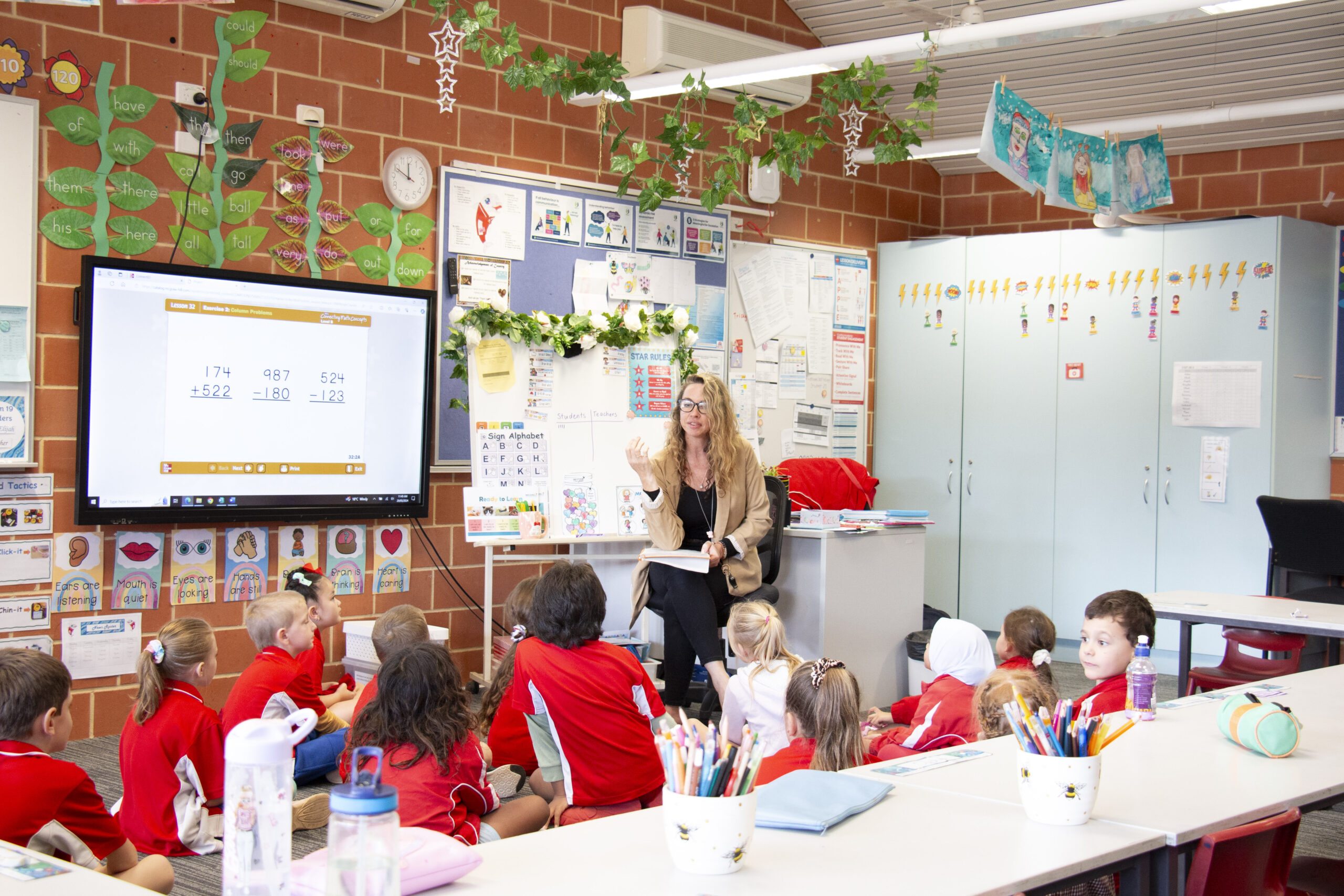
To achieve true school improvement, a shared cultural effort is required. Uniting with common instructional approaches, shared resources, and professional learning will contribute to lasting success without losing teacher autonomy and professionalism.
- Students enjoy the benefit of consistent instructional routines, clear expectations, seamless year-level transitions, and stronger learning progression.
- Teachers enjoy the benefit of collaboration and stronger professional conversations, access to ongoing learning, high confidence, and reduced planning time.
- School leaders benefit from practical systems, coaching instruction, and continuous school-wide improvement.
Partner School Membership
Rather than juggling short-term, disconnected initiatives, many Australian schools are choosing a unified approach through GGSA’s Partner School Membership. The membership bundles professional learning, coaching, curriculum resources, and school improvement support in one single framework.
Partner schools can access curriculum programs, professional learning modules, implementation guidance, leadership support, instructional coaching support, and school improvement resources.
Aligning professional learning and school priorities allows partner schools to build sustainable school improvement, lifting teacher confidence and strengthening consistency across the school.
Frequently Asked Questions
What are teaching standards?
Australian Teaching Standards are the professional framework that details educator knowledge, professional, and practice expectations and what that looks like at every stage of a teacher’s career.
How do teachers meet the teaching standards?
Educators meet Teaching Standards through the everyday classroom practices of collaborative planning, regular reflection, and targeted observations or coaching.
Are teaching standards enforced in Australia?
The Australian Professional Standards for Teachers underpin teacher registration and accreditation across Australia. Individual teacher regulatory authorities in each state and territory implement these standards within their own jurisdiction.
How do teaching standards relate to the Australian Curriculum?
The teaching standards describe how teachers effectively deliver lessons, and the Australian Curriculum describes what students are expected to learn at every year level.
How can schools support teachers to teach to the standards?
Schools support teachers by providing:
- evidence-based teaching practices
- ongoing practical professional learning
- curriculum-aligned resources
- instructional coaching
- a consistent whole-school implementation.
Teaching to the Standards Supports Every Learner
At its core, teaching to the standards means establishing a classroom where every student is armed with the tools to succeed. To achieve this, educators must be armed with evidence-based resources, consistent support, and professional learning.
True school improvement is most effective when schools fully integrate these elements, which is why Good to Great Schools Australia brought them together in the Partner School Membership. Whether you’re a graduate, proficient, an instructional coach, or a principal, GGSA arms schools with the practical tools. Not just to achieve the standard, but to exceed it.
Continue Strengthening Teaching Across Your School
If you’re ready to support teaching, learning, and school improvement, explore Good to Great Schools Australia’s free resources:
- Evidence-Backed Curriculum Resources
- Mastery Teaching Pathway
- Partner School Membership
- Evidence-Based Curriculum Resources
- Professional Learning Modules
- Leader Resources
Discover how GGSA’s curriculum-aligned resources and evidence-based professional learning can build teacher confidence, support every student, and strengthen whole-school consistency.

About Julie Grantham
Julie Grantham brings more than 40 years of experience in education as a teacher, principal and senior public servant, including three years as Director-General of the Queensland Department of Education.
During her leadership, Queensland’s state school results consistently improved and teaching and learning practices were strengthened through the introduction of world-class benchmarking.
Julie also led major reforms requiring every Queensland school to define and implement evidence-based pedagogical practices tailored to their context.
Today, as Director of Schools at Good to Great Schools Australia, Julie works with schools and education systems to design and deliver programs that ensure every student has the opportunity to succeed. Be sure to catch Julie each week as she hosts the Good to Great Schools Webinars. For more information, click the link below.