Writing is one of the most essential skills for success across all areas of learning and the most powerful ways children can express themselves. Yet it’s also one that many students find daunting. In primary school classrooms, reluctant writers are a common challenge for teachers. These are students who avoid writing tasks, produce minimal work, or become frustrated when asked to express their ideas in writing.
The results from the 2025 NAPLAN show that one in ten students on a national level are classed as ‘Needs Additional Support’ for writing in Years 3, 5, 7, and 9. The NAPLAN results also show that around one in five students are classed as ‘Developing’, which means they haven’t met the proficiency standard. According to these figures, around 30 percent, or a third of Australian students are below the writing proficiency goal.
When students struggle with writing, it doesn’t just affect their grades; it impacts their ability to express ideas, sharpen critical thinking skills, and build strong communication skills. Many reluctant writers feel overwhelmed by the process of generating, organising, and refining ideas, which can lead to avoidance and self-doubt.
Teachers need practical, evidence-based strategies that make writing approachable and enjoyable – strategies that help every child see themselves as a capable communicator.
The Barriers to Writing Success
While every reluctant writer has their own challenges, three key barriers are particularly common in primary students.
- A lack of confidence is one of the primary concerns. Many students are worried their writing isn’t good enough, so they simply disengage before they can try.
- A fear of failure is another concern, with many students concerned about grammatical errors, spelling mistakes, and critical teacher feedback. It can hold students back from taking risks creatively.
- A limited interest is the final barrier because many students see writing as boring, especially if it’s non-fiction.
These barriers result in a variety of outcomes, but the most common include incomplete work, avoidance, and ultimately, a missed opportunity for students to develop these essential literacy skills. Recognising the underlying factors in individual students is the first step in inspiring your reluctant writers to overcome their reluctance.
Changing Mindsets: From Fixed to Growth
It starts with changing mindsets to encourage students to see themselves as writers. If you want to support your reluctant writers, you have to reframe what writing is and what it means to them. So, instead of seeing it as a chore, they should see it as an opportunity to share their expertise and teach others or a way to inspire and entertain. This helps their confidence grow. If you want to know how to encourage reluctant writers by changing their mindset, encourage students to see writing as a communication tool instead of a classroom requirement. Assign students short, achievable tasks for quick wins to build confidence, and use positive reinforcement to celebrate hard work and progress. Additionally, you can encourage students to encourage and inspire each other.
It’s about laying the foundation in their minds for meaningful engagement. Knowledge matters, and writing is a major part of that, showing students that their knowing matters can help them realise their voice has purpose.
Practical Strategies to Inspire Reluctant Writers
Structured Support
Reluctant writers are more likely to thrive if they know precisely what is expected of them and what steps to take to get there. Structured support is key, and you can opt for step-by-step guidance where you break each stage into steps for students to tackle one simple task at a time or use picture prompts for inspiration. Teachers can write a clear example ahead of time and use it as a model for students to follow.
Celebrate Every Win
Big or small, celebrate every win because this is a marathon and reluctant writers will need consistent motivation to keep going. By recognising even the little wins, you’re expressing pride in their hard work and helping build self-confidence. You can use specific praise in marking or verbally, encourage peer recognition among students, or use quick reflections as a way to track students’ daily progress. When students see teachers valuing their efforts, they’re motivated to keep going.
Create a Supportive Environment
A supportive classroom is a safe one, and this is the ideal atmosphere for nurturing every student in every subject, but it’s particularly key for building writing confidence. Students should feel comfortable experimenting with new ideas or approaches without fearing criticism. You can promote this by regularly reminding students that mistakes are a natural part of learning and you can’t grow without them.
You can also provide consistent constructive feedback to help focus your students’ attention on areas for improvement. Many students respond to collaborative projects, whether it’s peer editing or group brainstorming sessions. This can help build community, establish peer encouragement, and reduce the pressure. Students will write more freely when they feel safe to put themselves out there and take risks.
Use Real-World Texts To Inspire Interest
Reluctant writers will often struggle because they don’t see the value or relevance of writing as a subject, but you can bridge the gap with real-world texts. In doing so, you’re showing your students how writing turns up in the world, from advertisements and social media posts to photo captions, blogs, instructions, and articles. Make it extra engaging by choosing relatable examples that directly connect to their interests, whether it’s a video game or a popular YouTuber.
You can show the many ways in which writing serves people in their everyday lives, from reading menus to reading job contracts and legal documents. Once you find relatable texts, you can analyse the structure of these texts as well as their language and intent.
You can showcase how a travel brochure relies on persuasive writing to sell products, while a newspaper article is structured to lay out facts. Not only do these examples provide a practical, relevant model for your students, but they also help your students build analytical skills, which are crucial to strengthening both critical thinking and comprehension.
Deconstruct Real-World Texts
Using real-world texts is one of the most powerful tools in an English teacher’s repertoire, and by deconstructing these texts, you’re instilling your students with a deeper understanding of the mechanics of writing and what it takes to be an effective writer. Analysing how articles, poems, or product reviews are built from the introduction to the conclusion and call to action. Your students will learn how established writers structure their work and how that influences the flow of the piece.
Deconstructing well-crafted works allows students to examine a range of introductions used to hook the reader; the supporting details that build the body of the piece, whether it’s to explain or justify the main idea; the conclusions and how they can leave a lasting impression or a call to action to encourage the reader to take another step. Understanding how different types of writing are structured and how language works will empower students to replicate these methods in their writing.
Utilise Collaborative Activities
Collaborative or interactive activities can take writing from a solitary chore students struggle through to an exciting, engaging experience they share with a friend or a group. You can pair your students or place them in a group and encourage them to analyse a text together, with everyone working to identify the key elements of the text.
You can also encourage your students to deconstruct a real-world text on their own or hold a discussion about what your students think makes writing effective or enjoyable. While many students will pick writing up quickly, your reluctant writers need a little more motivation and interaction and collaboration are effective ways to reinforce learning.
Bringing Writing to Life by Making it Relevant
It’s much easier to write when you feel connected to the topic, and your students are no different. So, make writing purposeful by rooting it in a real-life context to help your reluctant writers understand that their words are important here and beyond the classroom.
Dedicate one wall of the classroom to writing inspiration, where you include creative writing picture prompts, including images, vocabulary words, illustrations, and prompts. You can also use real objects as visual writing prompts, including tools, musical instruments, maps, fossils, and fruits. It’s all about creating an atmosphere to spark the imagination, and by using tangible prompts, you can help students connect to topics.
Make it Purposeful
Writing is a more engaging subject when you can connect it to a real-world purpose relevant to your students. They can write a poem about their family, design posters that inform, create brochures that inform and describe historical landmarks or locations, write letters to a historical figure or the family pet. Once your students build more confidence around their writing, reluctant writers and otherwise, you can hold a publishing day, allowing your students to display their best work on the classroom wall.
Celebrate Progress
Reflection and celebration are two major components of the process. Encourage your students to reflect on what they learned and celebrate their progress. It’s all about reinforcing positive behaviours. In addition to handing out certificates and awards to recognise achievements in improvement, vocabulary, punctuation, creativity, effort, and even plot twists! It helps internalise that shift in mindset to see writing as a skill that can be improved. Encourage students to write reflections, whether it’s about a skill they’re proud to have or their best day.
Inspiring Writers with Good to Great Schools Australia
Engaging reluctant writers is a key part of Good to Great Schools Australia’s English curriculum, so the structure, support, and inspiration your students need to thrive are built into the curriculum! This step-by-step framework supports both the teacher and the learners, providing ready-to-teach lesson plans, explicit class instructions, engaging topics, visual aids, and student workbooks. It’s everything you need to inspire your students.
The GGSA English Writing program caters to all year levels, offering structured progression from Foundation to Year 6.
Foundation to Year 2: Building Confident Foundations
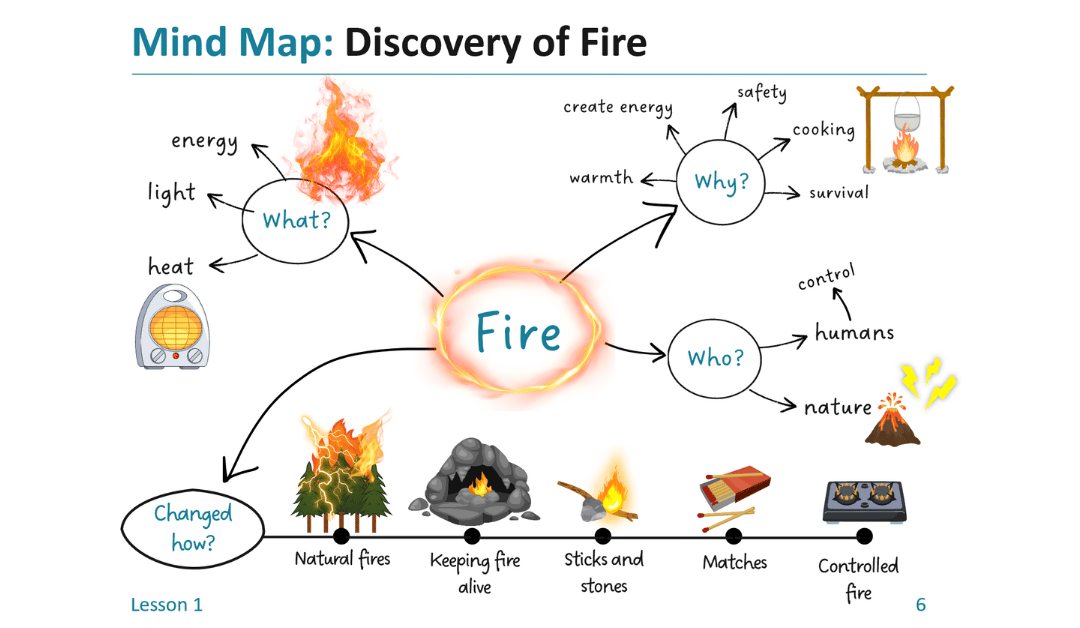
At this stage, students learn to express ideas visually before moving into sentences and paragraphs. For example:
- Foundation: ‘Bones of Giants’ introduces prehistoric life, allowing children to describe dinosaurs using pictures and topic words.
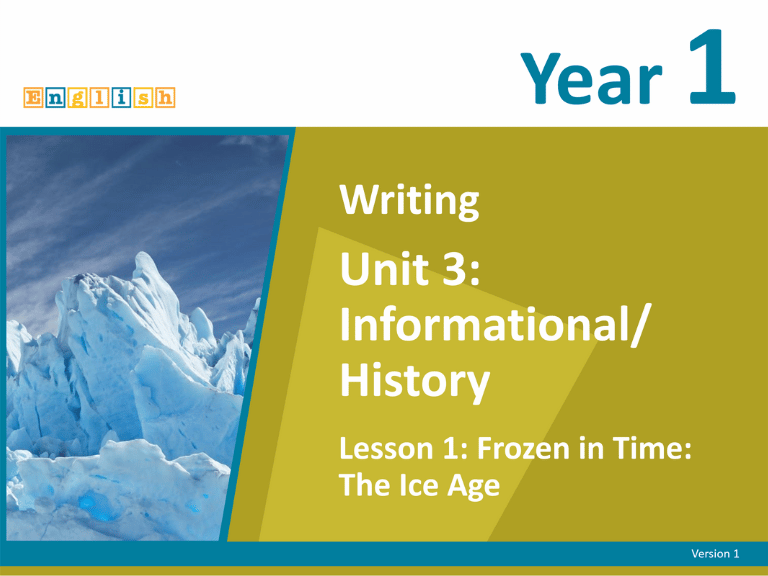
- Year 1: ‘Frozen in Time’ uses the Ice Age to teach facts versus opinions, helping students feel like real experts.
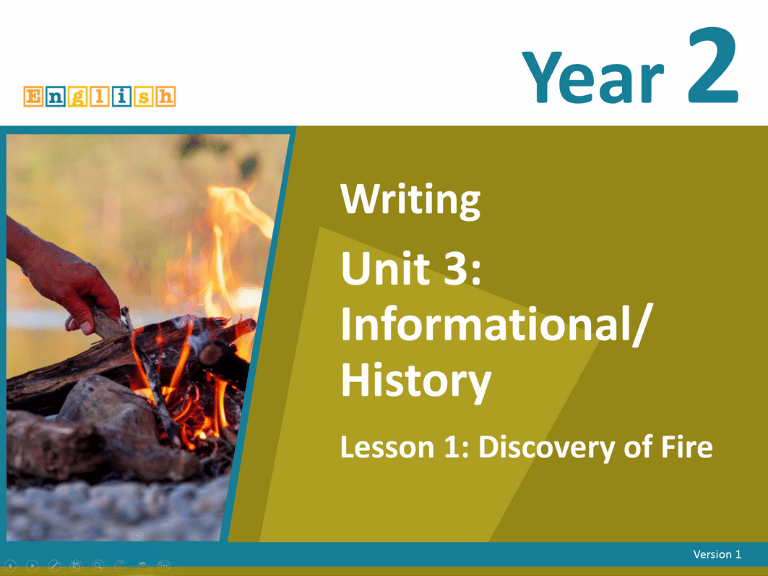
- Year 2: ‘Spark of Genius’ explores human inventions, inspiring students to write about innovation using clear, informative sentences.
This combination of visual learning, mind mapping, and fact-based writing transforms hesitant students into confident communicators.
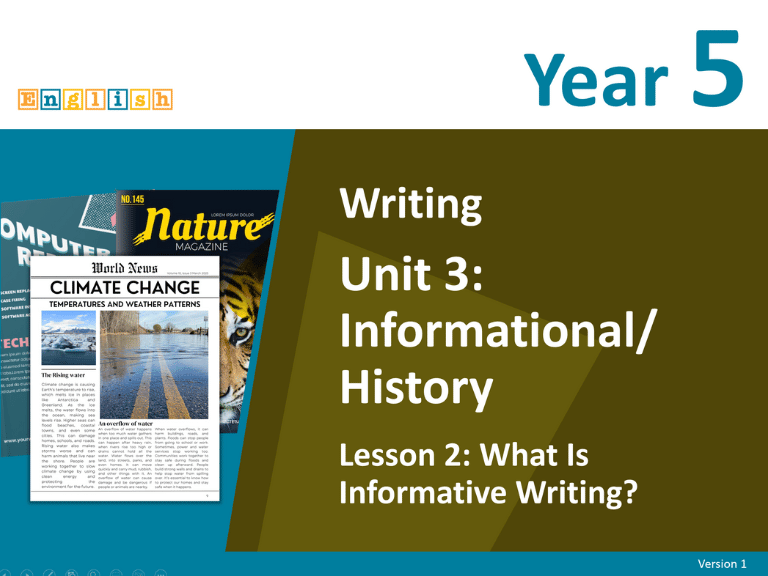
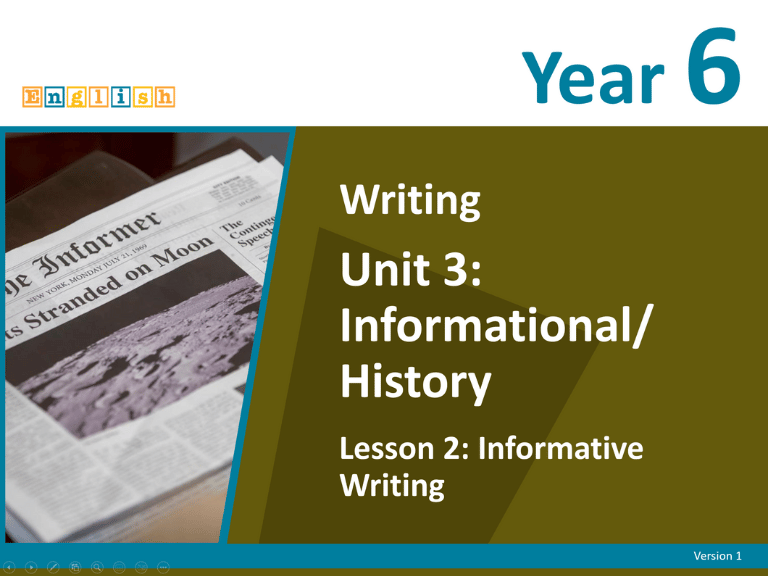
Click on the images below to see how inspiring the content is.


Year 3 to Year 6: Mastering the Expert Voice
As students grow, so does the sophistication of their writing.
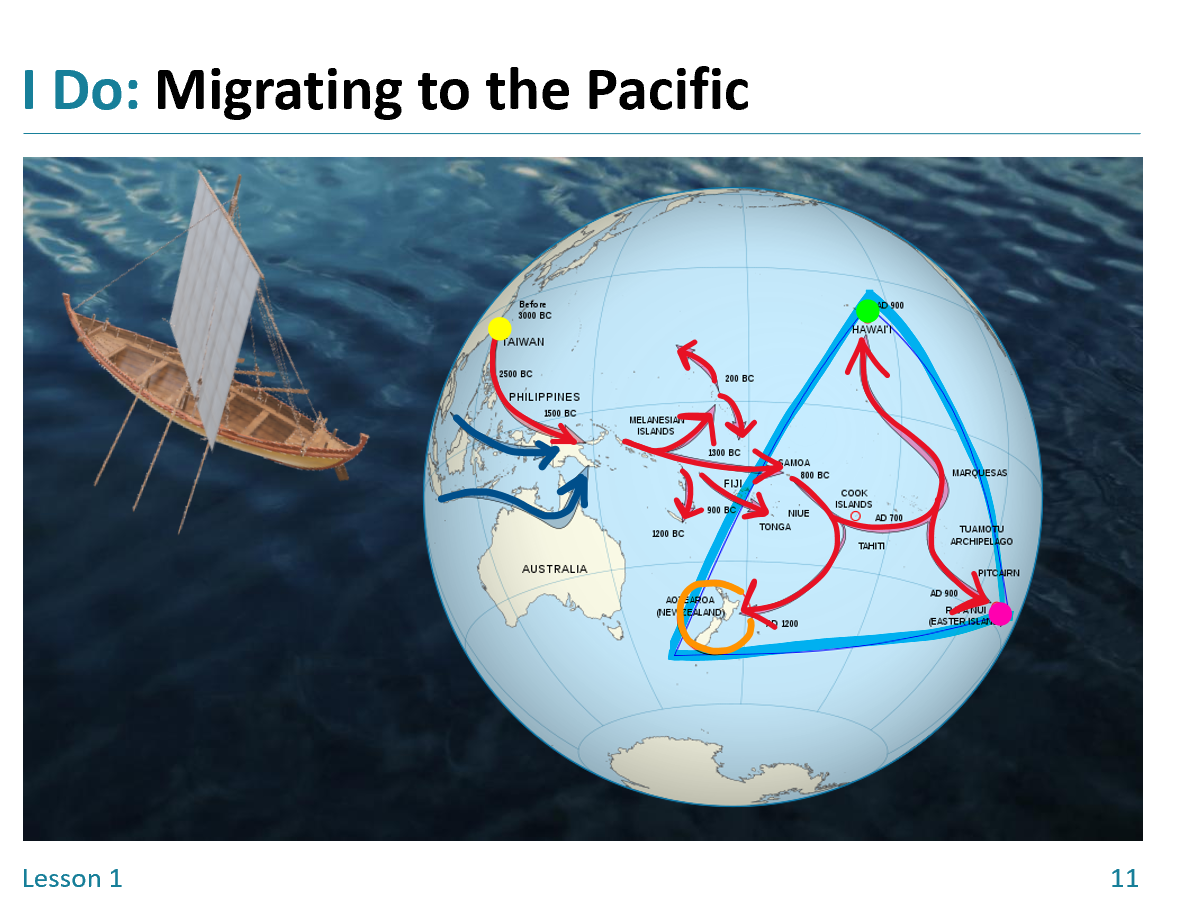
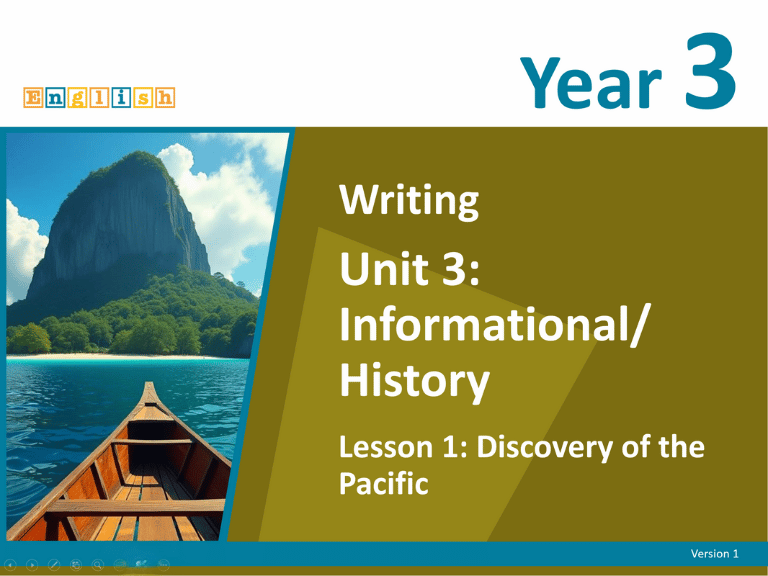
- Year 3 – Into the Unknown: Students explore the world of explorers, writing about discovery and adventure.
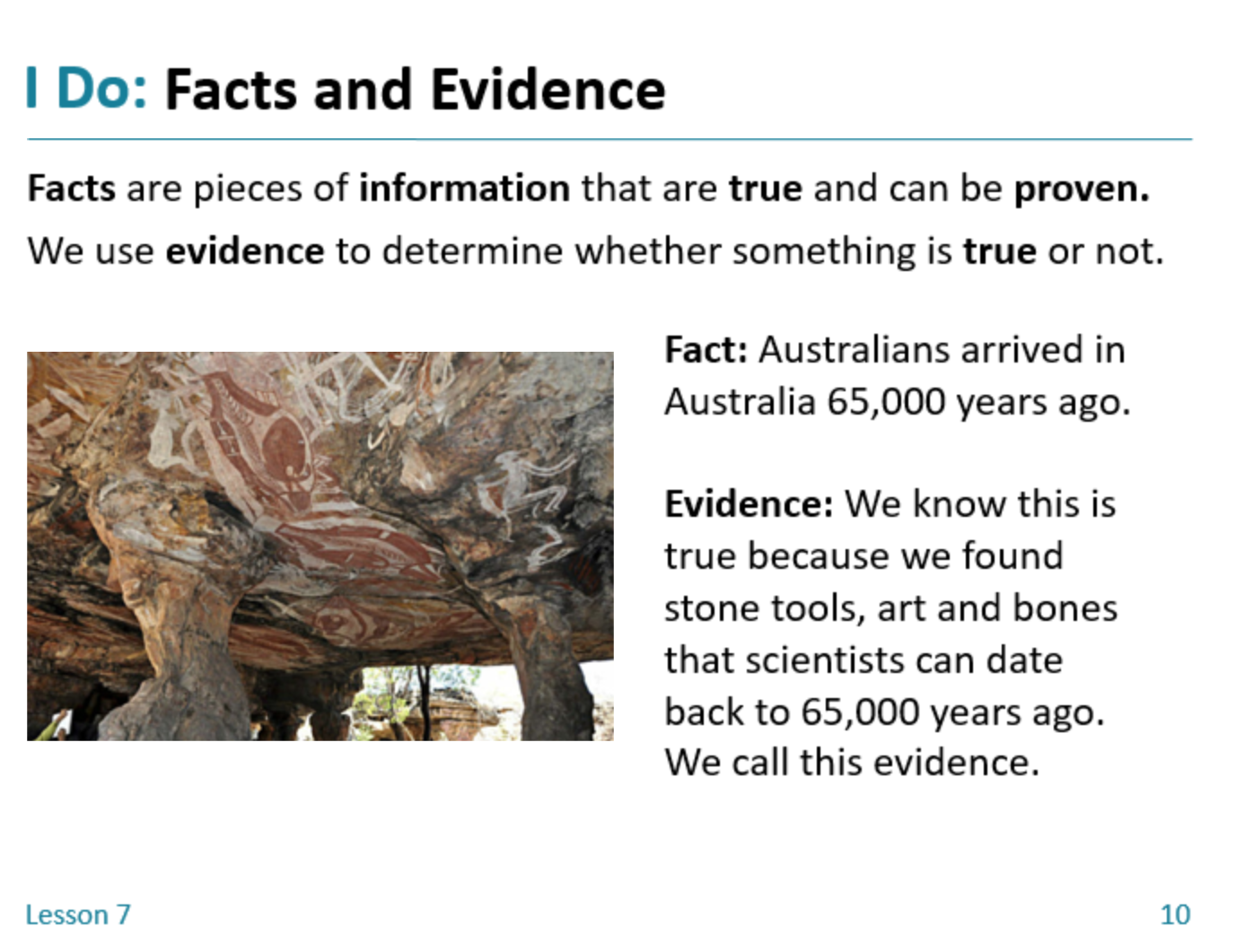
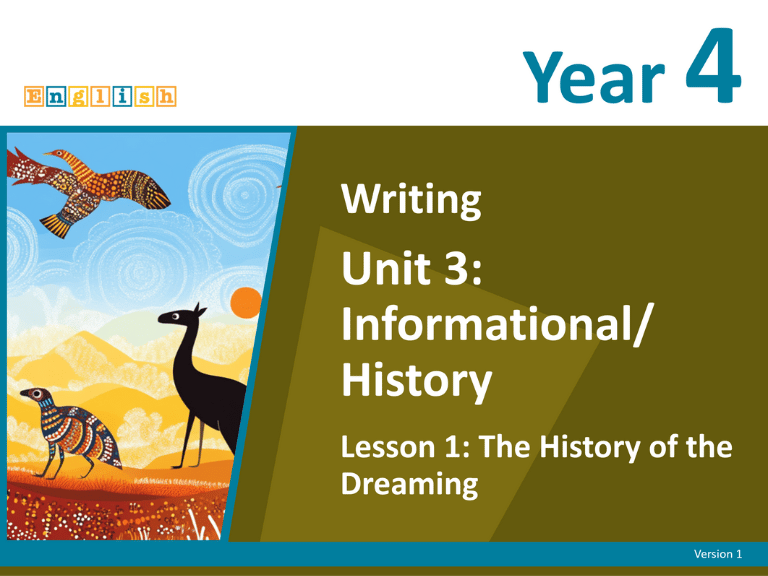
- Year 4 – The Discovery of Australia: Students examine Australian history, learning to interpret sources and present facts clearly.
- Year 5 – Encounters, Enterprise, and Rebellion: Students analyse 19th-century Australian history, learning to structure arguments and use evidence.
- Year 6 – The Lucky Country: Students focus on modern Australian history, writing detailed, evidence-based informative texts.
By the upper primary years, students are learning how to plan, structure and refine multi-paragraph texts, using precise language and critical analysis to write like experts.
The program’s explicit instruction and clear structure help even reluctant writers feel confident taking on complex topics and writing for real audiences.


Practical Tools for Every Classroom
The GGSA program provides everything teachers need to make writing achievable and enjoyable:
- Teaching Guides with clear instructions for lesson delivery.
- Ready-to-use lessons that are fun and engaging.
- Student Workbooks with structured exercises to support independent practice.
- Mind maps to visually connect ideas and support planning.
- Progress assessments that track student growth and identify next steps.
With 45 ready-to-use lessons, cross-curricular connections, and weekly structures that balance instruction, collaboration, and independent writing, teachers have a complete toolkit for supporting every learner, especially those who need it most.
Taking the Next Step: Professional Learning for Teachers
Good to Great Schools Australia also offers the Mastery Teaching Pathway, a professional learning program that builds teacher confidence in delivering structured, high-impact writing lessons.
Through this pathway, educators gain:
- Access to professional development focused on engaging reluctant writers.
- Coaching and mentoring to refine teaching techniques.
- A supportive community of educators committed to improving student writing outcomes.
- This ongoing professional support ensures that teachers feel equipped to make a lasting impact on their students’ writing success.
Every student deserves to attend a school that caters to every aspect of their potential, and Good to Great Schools Australia’s mission is to support Australian schools as they achieve that goal. With free use of a wide range of resources, including school improvement tools, learning modules, and evidence-based curriculum.
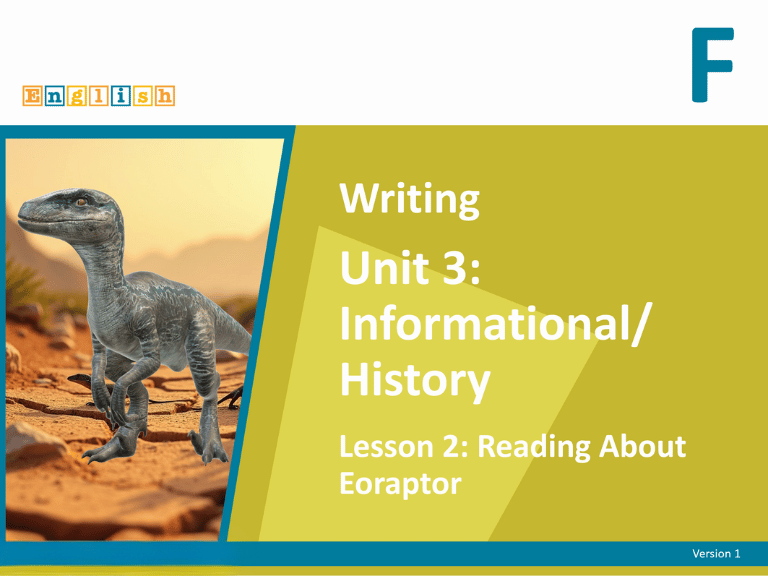
Are you ready to help your students become confident, capable writers? Explore Good to Great Schools Australia’s English curriculum today and discover how it can support you in inspiring even the most reluctant writers.

About Julie Grantham
Julie Grantham brings more than 40 years of experience in education as a teacher, principal and senior public servant, including three years as Director-General of the Queensland Department of Education.
During her leadership, Queensland’s state school results consistently improved and teaching and learning practices were strengthened through the introduction of world-class benchmarking.
Julie also led major reforms requiring every Queensland school to define and implement evidence-based pedagogical practices tailored to their context.
Today, as Director of Schools at Good to Great Schools Australia, Julie works with schools and education systems to design and deliver programs that ensure every student has the opportunity to succeed. Be sure to catch Julie each week as she hosts the Good to Great Schools Webinars. For more information, click the link below.