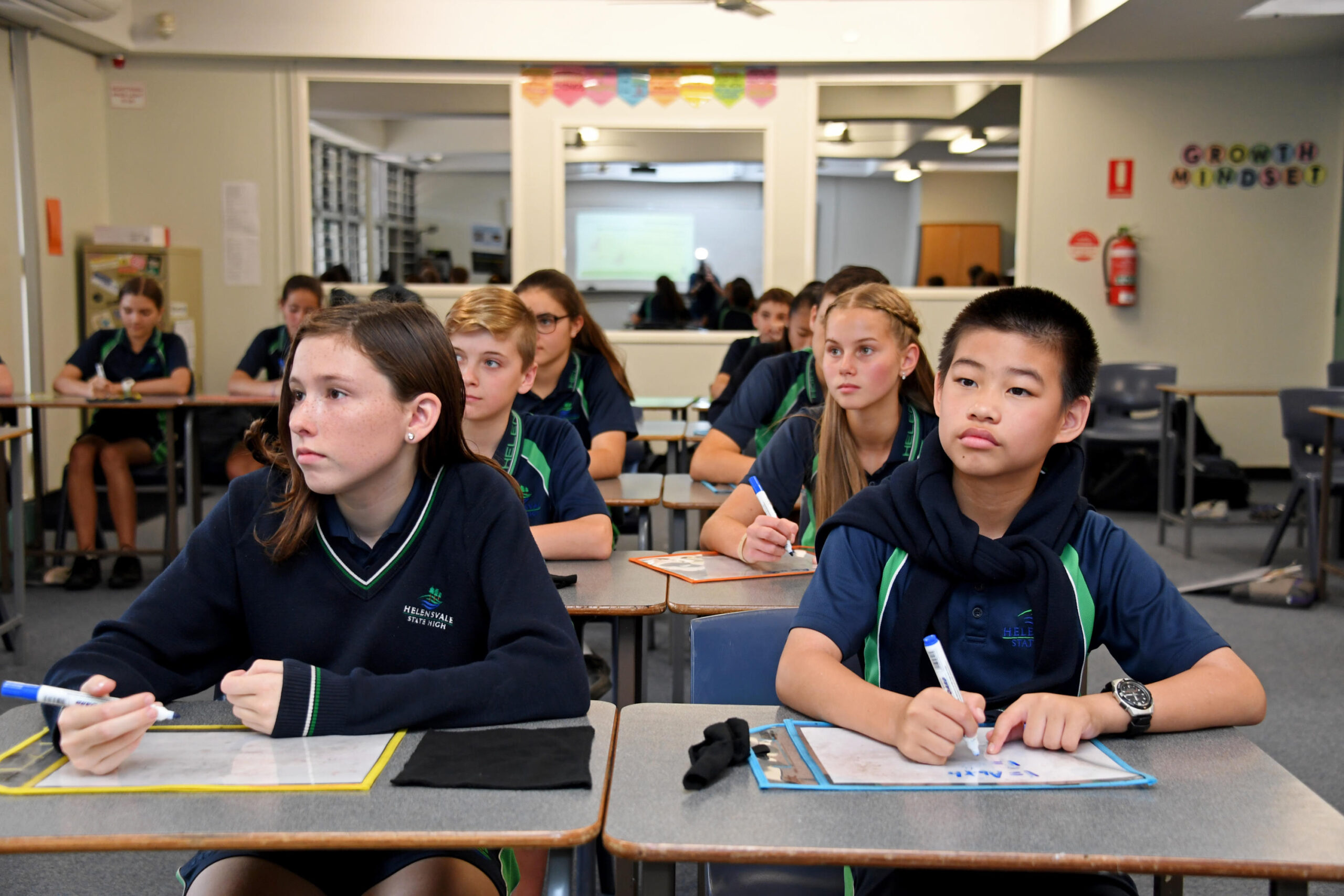
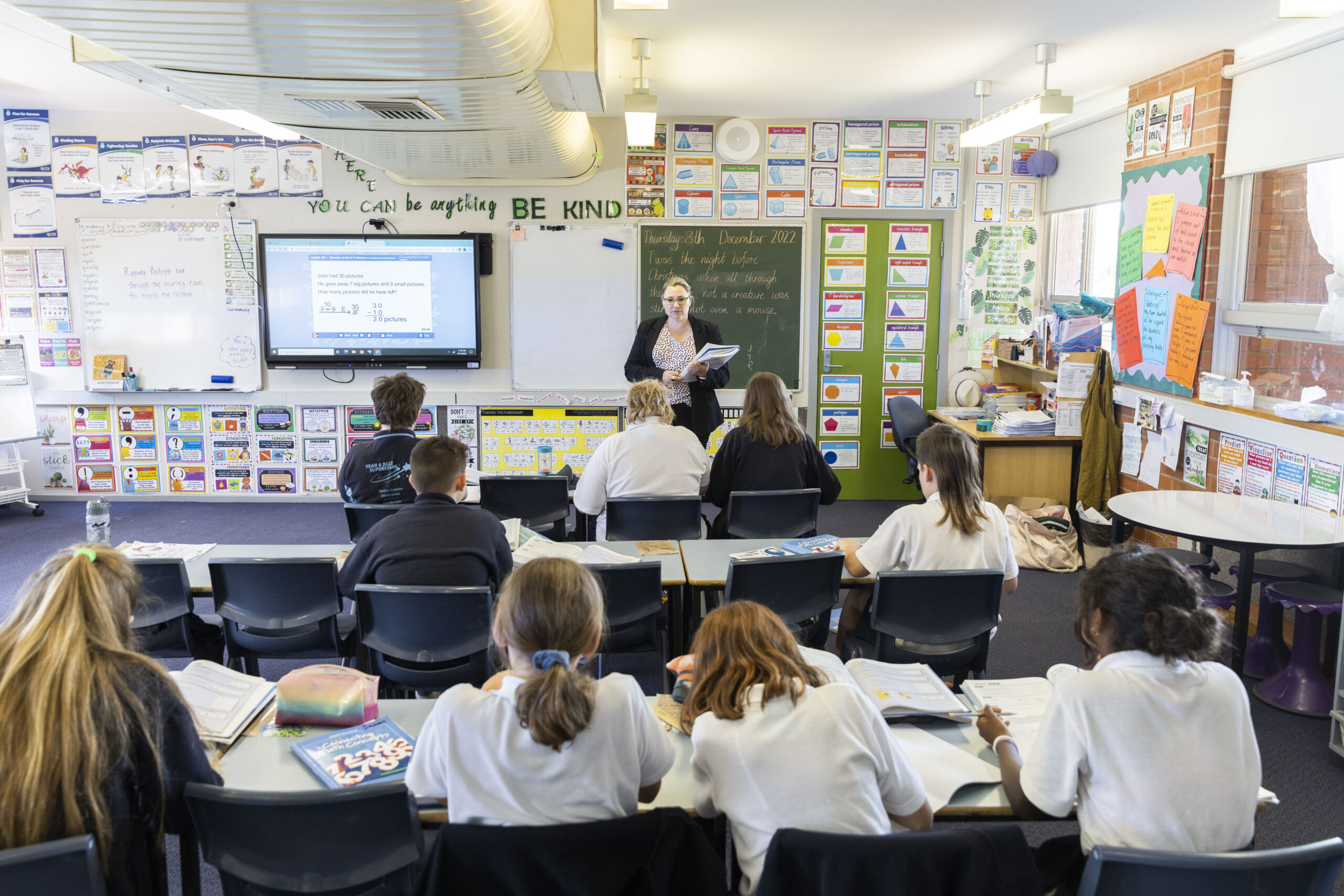
Strong teaching makes a visible difference in every classroom. Students respond quickly to clear instruction. Lessons move with purpose, expectations are understood, and learning builds step by step.
Across Australia, more schools are strengthening approaches grounded in direct and explicit instruction. Rather than introducing something new, many schools are now focusing on how to deepen and sustain these practices over time. Research continues to highlight that structured, clearly sequenced teaching supports strong student outcomes (see The Power of Direct Instruction).
The next step is not just using these approaches, but continuing to refine them as teachers develop their expertise. Because strong teaching is not a fixed point. It is something that develops, expands and evolves across a teacher’s career.
Teaching Growth Doesn’t Stop After the First Years
Early in a teaching career, the focus is clear: build confidence, establish routines and develop consistency in classroom practice. With time and experience, that focus shifts.
Teachers begin refining how they deliver lessons. They think more deliberately about how students respond, how learning builds across lessons and how to adjust instruction to support progress. This progression is natural. It reflects growing expertise.
Professional learning plays an important role in supporting that development. The most effective professional learning is practical, collaborative and directly connected to classroom practice, as highlighted in international research from the OECD TALIS study.
What changes over time is not just what teachers know, but how precisely and consistently they apply that knowledge in the classroom.
From Strong Practice to Deeper Expertise
As teachers continue to grow, their work becomes more deliberate and refined. Instruction becomes clearer. Lessons are more purposeful. Decisions about pacing, questioning and feedback are made with greater precision.
Direct and explicit instruction remains central to this work, but the focus shifts. Instead of learning the approach, teachers begin strengthening how consistently and effectively they apply it.
This includes:
- delivering instruction with clarity and confidence
- adjusting teaching in response to student understanding
- ensuring learning builds in a structured and coherent way.
Over time, these refinements create stronger, more consistent classroom practice.
Moving Beyond the Individual Classroom
As teachers develop confidence and consistency, their influence begins to extend. They contribute more to team discussions. They share strategies. They support colleagues through everyday conversations about teaching and learning.
This shift happens naturally as expertise grows. It is not about changing roles. It is about expanding impact.
Teachers begin to:
- model effective practice through their own teaching
- contribute to shared approaches across year levels or teams
- support consistency in how teaching is delivered.
This is where individual growth begins to shape the wider school environment.
Professional Learning That Supports Ongoing Growth
Professional learning remains important at every stage of a teacher’s career. However, the focus evolves.
Early in a teaching career, professional learning helps build capability. It supports teachers to develop strong routines, deliver clear instruction and establish consistency in their classroom practice.
As experience grows, the focus shifts. Professional learning becomes less about learning what to do and more about refining how it is done. Teachers begin to look more closely at how students respond, how learning progresses across lessons and how to adjust their approach to improve outcomes.
Professional learning is most effective when it:
- connects directly to classroom practice
- allows for immediate application
- supports reflection and refinement over time.
It is also most effective when it is ongoing. One-off sessions can introduce ideas, but sustained improvement happens when teachers revisit practices, apply them consistently and continue to refine them over time.
At more experienced stages, professional learning also creates opportunities for teachers to contribute more broadly. This might include sharing practice with colleagues, supporting team discussions or contributing to a shared approach across year levels.
Over time, professional learning becomes part of how schools work, not something separate from it. It supports a cycle of learning, application and improvement that strengthens both individual practice and the collective capability of the school.
When professional learning is structured, practical and embedded in daily teaching, it supports teachers to continue growing with confidence and purpose.
A Clear Pathway for Teacher Growth
As teaching develops, different stages of growth require different types of support. Some teachers are strengthening their classroom practice. Others are ready to deepen their expertise further. Some are beginning to contribute more broadly across their school. A structured pathway helps make this progression clear.
The Mastery Teaching Pathway provides that structure. It supports teachers to:
- build confidence and consistency in practice
- deepen instructional expertise over time
- extend their impact beyond their own classroom.
Within this pathway, two key courses support teachers as they move into the next stages of their development.
Mastery Teaching Towards Excellence Course
The Mastery Teaching Towards Excellence Course is designed for teachers who are ready to deepen their classroom practice and build greater confidence and consistency. At this stage, teachers are strengthening how they apply effective teaching practices across their lessons.
The course focuses on:
- refining effective teaching techniques
- strengthening consistency in classroom routines and expectations
- building confidence in using assessment and data
- supporting a wider range of learners through structured teaching.
Learning is applied directly in the classroom.
Teachers practise techniques, reflect on their impact and continue refining their approach.
What This Looks Like in the Classroom
Teachers completing the Towards Excellence Course often see clear improvements in how their classrooms operate.
- Instructions are clearer.
- Lessons flow more smoothly.
- Students engage more quickly.
There is greater consistency from lesson to lesson, which supports both teacher confidence and student learning.
These are practical changes that strengthen everyday teaching.
Mastery Teaching Fellow Course
The Mastery Teaching Fellow Course supports experienced teachers who are ready to extend their impact beyond their own classroom.
At this stage, the focus shifts further.
Teachers deepen their expertise while also contributing to broader school practice.
The course supports teachers to:
- use data more precisely to guide teaching decisions
- refine instruction to support diverse learners
- contribute to coaching, mentoring and professional learning
- support consistency across classrooms.
This stage is about extending influence through strong, consistent practice.
What This Looks Like Across a School
When teachers begin working at this level, their impact extends beyond their own classroom.
- Teaching becomes more aligned.
- Professional conversations become more focused.
- Teachers contribute to shared understanding, helping strengthen practice across teams.
Students benefit from greater consistency in how learning is delivered.
A Win-Win for Teachers and Schools
Investing in teacher growth benefits everyone. For teachers, it builds confidence, capability and professional recognition. For schools, it strengthens teaching teams and supports long-term improvement.
As teachers continue to develop, their impact becomes more consistent and more widely shared.
Choosing the Right Next Step
Every teacher is at a different stage in their professional journey. Some are focused on strengthening their classroom practice. Others are ready to deepen their expertise and extend their impact. The right next step depends on where your current focus sits.
If you are building confidence and refining your teaching practice, the Towards Excellence Course provides the structure to deepen that work through practical application, feedback and ongoing refinement.
If you are ready to extend your impact beyond your classroom, the Fellow Course supports you to take that next step, strengthening your use of data, supporting colleagues and contributing to school-wide improvement.
You don’t need to overthink it. Choose the pathway that reflects where you are now. What matters most is continuing to build on your practice in a way that is clear, supported and sustainable.
Continuing the Journey
Teaching is a profession built on continual growth. Each stage builds on the last. Practice becomes more refined. Impact becomes broader. Structured professional learning supports that journey by making development clear, practical and achievable.
Over time, this progression strengthens both individual teaching and whole-school practice. Teachers develop greater confidence in their approach, and schools benefit from stronger alignment and shared expectations across classrooms. And when teaching continues to improve, students benefit every day.
If you’re ready to strengthen your practice or extend your impact, explore the Mastery Teaching Pathway and find the course that matches your next stage.
Start with the Mastery Teaching Towards Excellence Course or the Mastery Teaching Fellow Course and continue building the skills, confidence and expertise that make a difference in every classroom.

About Julie Grantham
Julie Grantham brings more than 40 years of experience in education as a teacher, principal and senior public servant, including three years as Director-General of the Queensland Department of Education.
During her leadership, Queensland’s state school results consistently improved and teaching and learning practices were strengthened through the introduction of world-class benchmarking.
Julie also led major reforms requiring every Queensland school to define and implement evidence-based pedagogical practices tailored to their context.
Today, as Director of Schools at Good to Great Schools Australia, Julie works with schools and education systems to design and deliver programs that ensure every student has the opportunity to succeed. Be sure to catch Julie each week as she hosts the Good to Great Schools Webinars. For more information, click the link below.