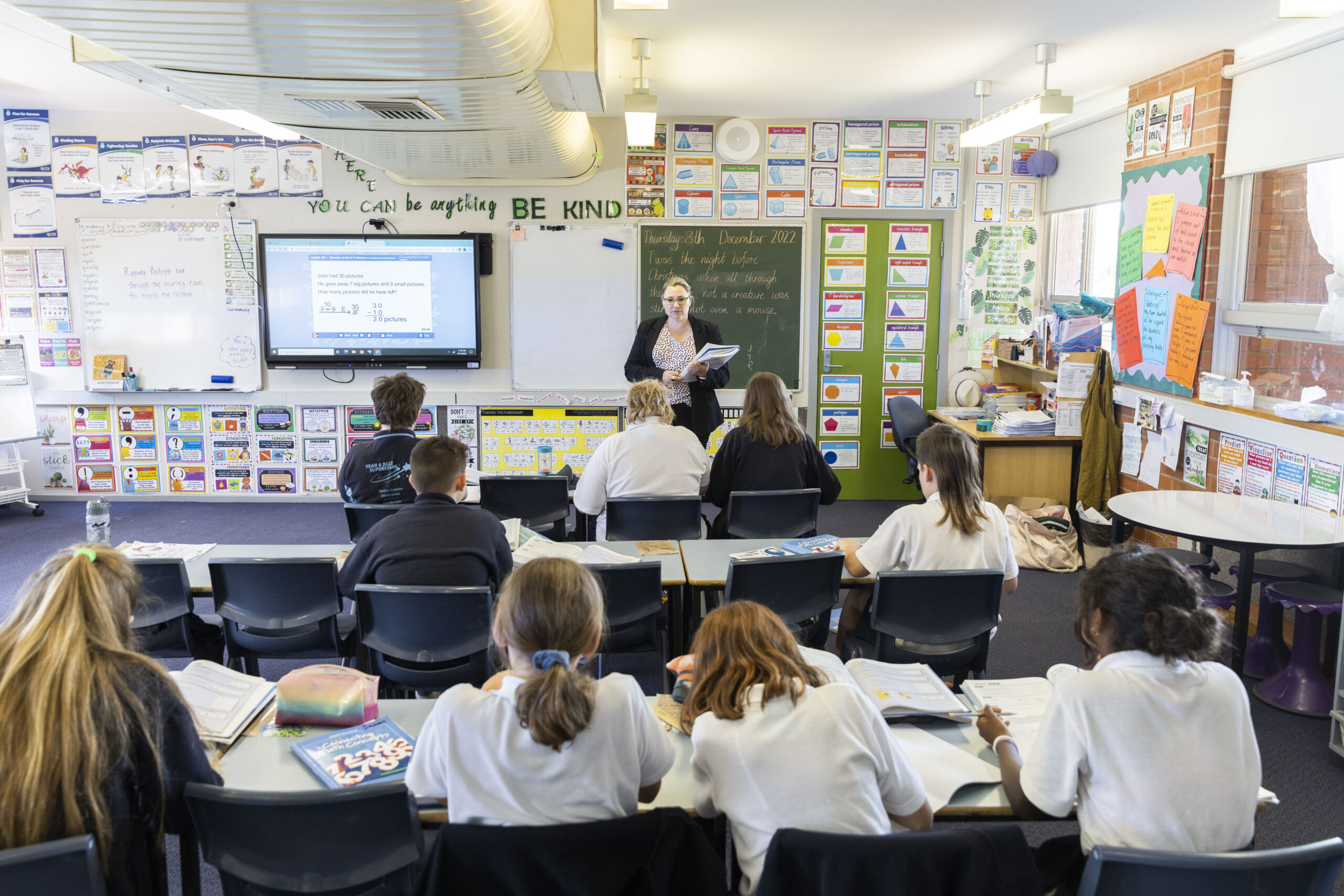
Australia’s latest international education results have sparked a fresh conversation about what’s being taught in our schools and whether we’re trying to fit too much into the curriculum.
As reported in The Australian, the latest Programme for International Student Assessment (PISA) results show a decline in reading and mathematics performance among Australian 15-year-olds. Australia is still performing above the OECD average, but the results have put the spotlight back on literacy, numeracy and the importance of getting the foundations right.
OECD Secretary-General Mathias Cormann called for education systems to favour ‘depth over breadth’. His point was straightforward: it is better to teach a smaller set of core topics well enough for students to master them than race through a long list without giving students enough time to learn them properly.
For teachers, this makes sense.
There is only so much time in a school day, and students need more than an introduction to a new concept before they’re ready to move on. They need clear instruction, plenty of practice, feedback and opportunities to use what they’ve learned.
Why Strong Foundations Matter
Literacy and numeracy skills are used everywhere. Students need them to read and understand increasingly complex texts, solve problems, communicate clearly and make sense of new information across the curriculum.
Each year of learning also relies on knowledge and skills taught in the years before it.
A well-sequenced curriculum takes this into account. New knowledge connects with what students already know, skills are built progressively and important learning is revisited along the way.
At Good to Great Schools Australia (GGSA), mastery is a key part of this process. Students should have the opportunity to master important knowledge and skills before they are expected to tackle something more complex.
That requires time, but it also requires teachers to know how well students are learning.
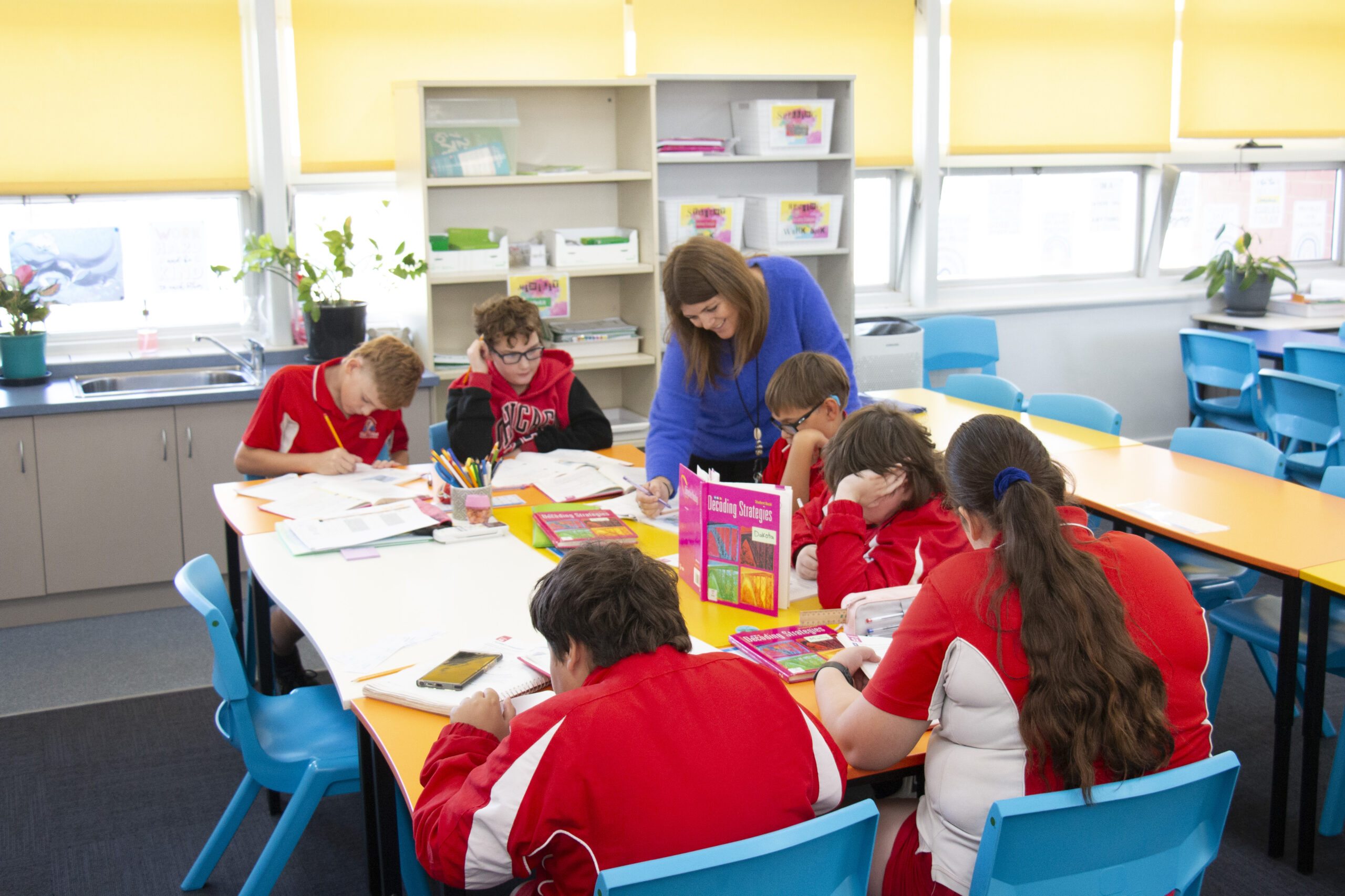
Give Students Time to Master New Learning
Teachers need to know when students are ready to move on.
Regular checks for understanding make that possible. Ask questions throughout the lesson, get students responding, look at their work and give them opportunities to demonstrate a new skill. These checks show whether the class is ready for the next step or needs some extra time.
If students haven’t grasped something yet, teachers can respond straight away. Reteach the tricky part, provide another example, correct an error or give students another opportunity to practise.
There is no advantage in racing ahead when students haven’t mastered the knowledge they need for the next lesson.
GGSA’s free curriculum resources are built around carefully sequenced learning, giving teachers a clear pathway to build knowledge and skills over time. Lessons connect with prior learning and provide opportunities for students to practise and demonstrate what they know before moving forward.
Explicit Teaching Makes Learning Clear
What is taught matters, but so does how it is taught.
Direct and Explicit Instruction gives teachers a clear approach for introducing new knowledge without overwhelming students. Complex concepts are broken into manageable steps, teachers model new skills and students have plenty of opportunities to participate and practise.
A good explicit lesson is active.
Students might be answering questions, reading aloud, writing responses, using whiteboards, demonstrating a skill or practising with a partner. The teacher isn’t waiting until the end of the lesson to find out whether everyone followed along. They’re checking as they go.
When an error comes up, it can be corrected before it becomes established. When students are doing well, teaching can keep moving.
It creates a classroom where teachers know what students are learning, and students know what they are expected to learn.
A Clear Curriculum Supports Teachers
An overcrowded curriculum doesn’t only affect students. Teachers have to find the time to teach it.
Teachers already have plenty to fit into the school day. When curriculum becomes crowded or unnecessarily complicated, more time goes into working out how to cover everything and less time is available to focus on how well students are learning.
Good curriculum resources can take some of that pressure away.
GGSA’s curriculum resources give teachers complete, ready-to-use programs across a range of learning areas. Depending on the program, resources include:
- Teaching Guides
- complete lessons
- Student Workbooks
- assessments and exemplars
- classroom resources
- targeted professional learning.
The planning, sequencing and resources are already there, but teachers still bring their own expertise and knowledge of their students to every lesson.
This is particularly useful when teachers are working across several learning areas or teaching content outside their specialist area. Instead of starting with a blank page, they have a strong lesson and clear learning sequence ready to go.
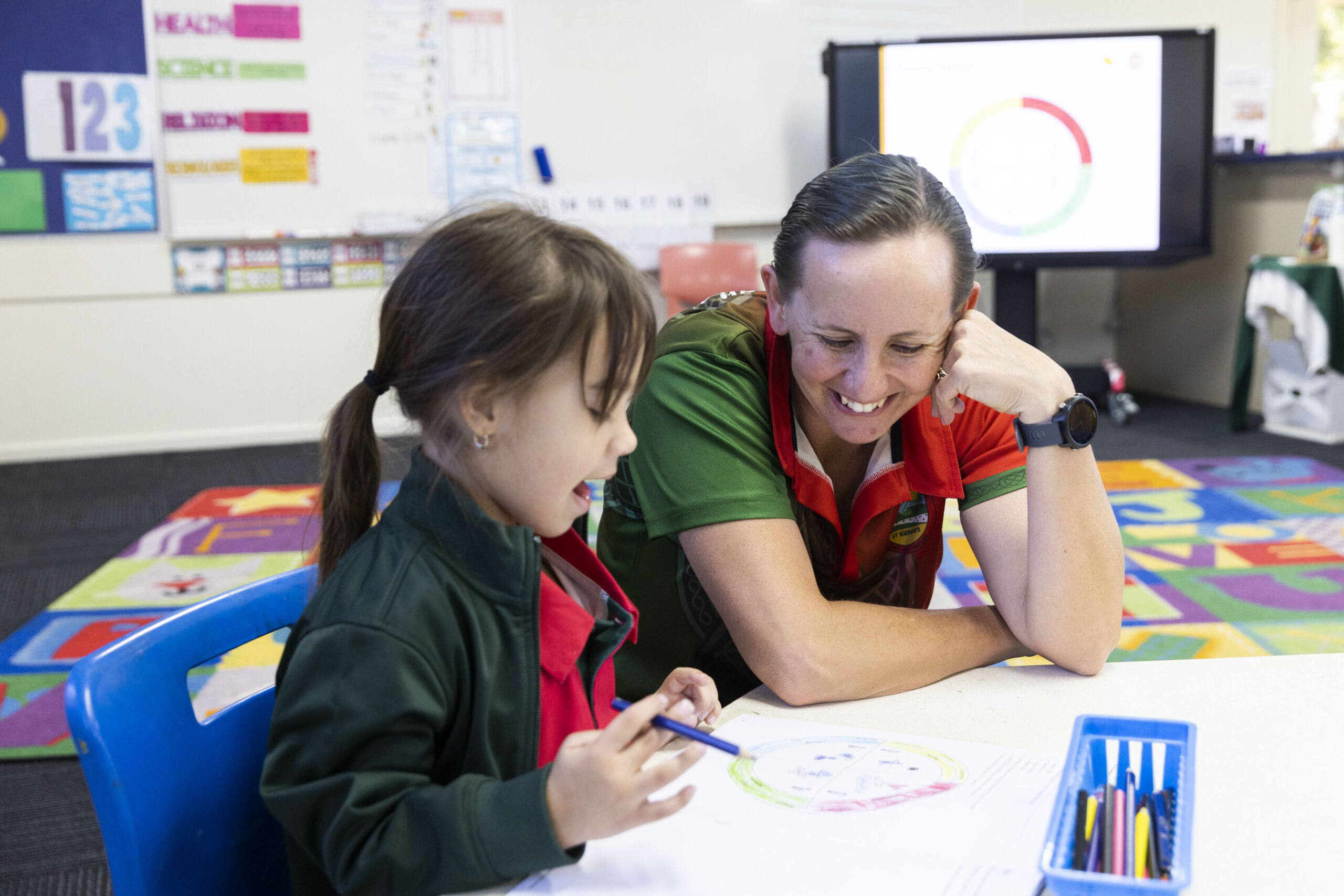
Keep the Focus on What Students Are Learning
There will be plenty of discussion about what Australia’s PISA results mean and what should change in the Australian Curriculum.
Whatever happens next, the classroom still matters most.
Students need strong literacy and numeracy foundations. They need a curriculum that builds knowledge logically rather than jumping between disconnected concepts. They also need effective teaching, regular checks for understanding and enough practice to become confident with what they’ve learned.
Teachers need the time and resources to make that happen.
This is why depth matters. Covering more content doesn’t automatically mean students are learning more. Giving students the opportunity to understand, practise and master important knowledge provides a stronger base for whatever comes next.
Practical Support for Teachers and Schools
Good to Great Schools Australia provides practical support for educators who want to strengthen teaching and learning in their classrooms.
Our free curriculum resources provide classroom-ready programs that take care of much of the planning and sequencing while supporting Direct and Explicit Instruction.
GGSA’s Professional Learning Modules help teachers, teaching assistants, instruction coaches and school leaders strengthen their practice. The modules are flexible and self-paced, with learning covering effective teaching techniques, classroom routines, behaviour support, instructional coaching, curriculum implementation, assessment and school improvement.
Educators can also follow the Mastery Teaching Pathway to build their knowledge and skills progressively, from the foundations of effective teaching through to advanced practice.
For schools wanting to bring curriculum, professional learning, coaching and school improvement together, Partner School Membership provides a whole-school approach.
Strong foundations don’t happen through one program, one lesson or one change to the curriculum. They’re built every day through clear teaching, carefully sequenced learning and plenty of opportunities for students to practise and succeed.
Explore GGSA’s free curriculum resources, Professional Learning Modules and Mastery Teaching Pathway to find practical support for your classroom or school.

About Julie Grantham
Julie Grantham brings more than 40 years of experience in education as a teacher, principal and senior public servant, including three years as Director-General of the Queensland Department of Education.
During her leadership, Queensland’s state school results consistently improved and teaching and learning practices were strengthened through the introduction of world-class benchmarking.
Julie also led major reforms requiring every Queensland school to define and implement evidence-based pedagogical practices tailored to their context.
Today, as Director of Schools at Good to Great Schools Australia, Julie works with schools and education systems to design and deliver programs that ensure every student has the opportunity to succeed. Be sure to catch Julie each week as she hosts the Good to Great Schools Webinars. For more information, click the link below.